

Laundry Load Traceability: Labels, Carts and Handover Checks
When a laundry serves several departments or customers, a frequent risk is not simply finishing a cycle late but losing information about a batch. A straightforward identifier followed from receipt to dispatch makes responsibilities clearer and helps investigate exceptions quickly.
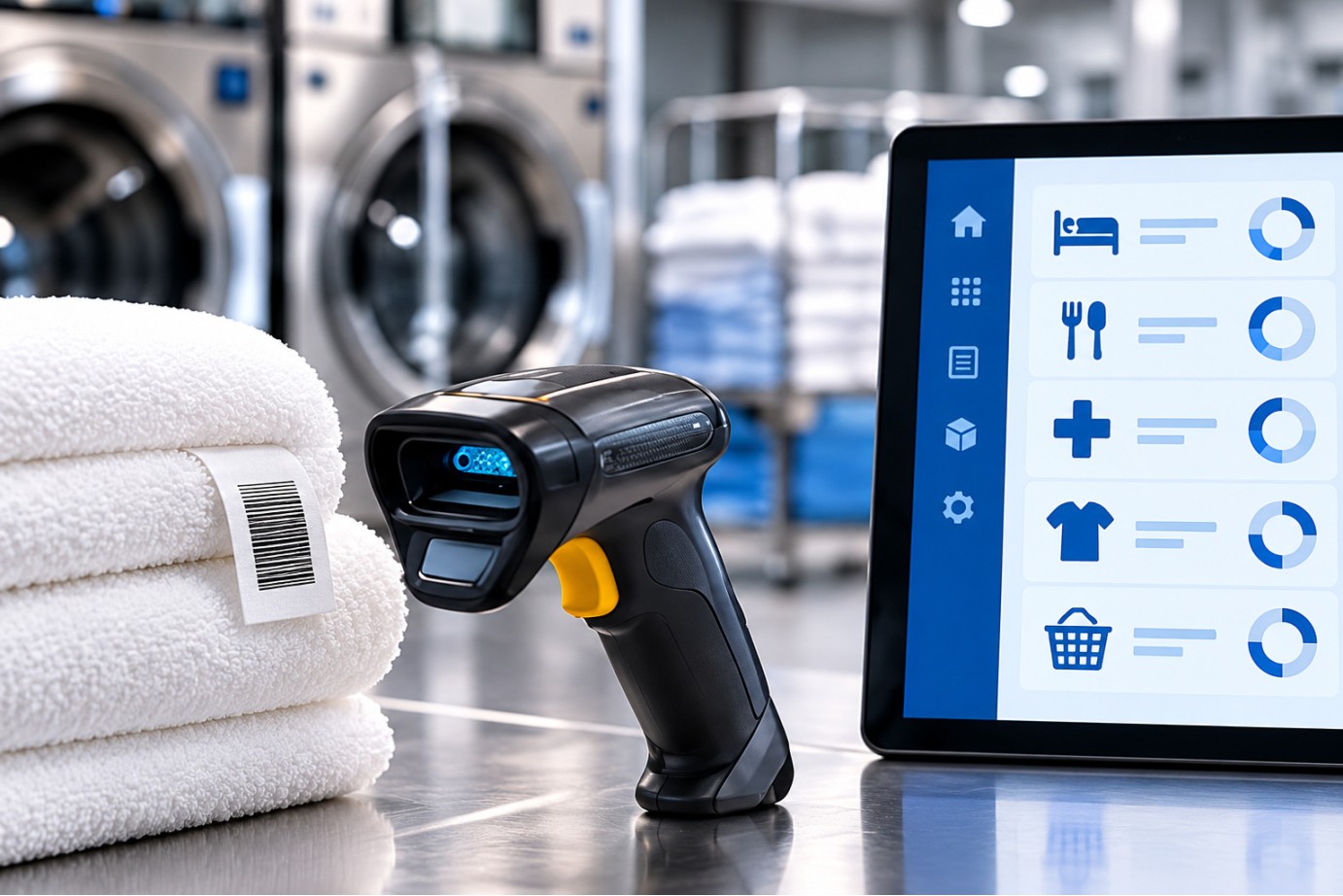
Identify each batch at receipt
Decide which information is necessary: origin, date and time, textile type and any delivery priority. Avoid collecting unnecessary personal information. The batch code should be readable and suitable for the operating environment, or attached to a carrier that accompanies the cart rather than entering the machine.
Record the main process stages
At each handover, update a clear status: waiting, washing, drying, checking or ready. Small facilities may manage this with a well-maintained paper log rather than complex software. Consistent naming matters more than the technology: everyone must update the record whenever a load changes area.
Prevent mistakes while moving loads
An unmarked cart can easily be confused with another during busy periods. Provide holding areas for unfinished batches and separate areas for checked loads. The final handover should also confirm quantity, destination and any remarks about quality.
- Unique batch identifier.
- Source and intended department.
- Current stage of processing.
- Exceptions needing attention.
- Confirmation of handover or dispatch.
Deal with exceptions consistently
If an item is missing or a load requires repeating, record the reason and the person responsible for the check. Information should help improve the process rather than create unnecessary paperwork. Review regularly where mix-ups and delays occur most often.
Traceability through drying
Mixed or unidentified batches become especially difficult to manage when loads pass from one machine to another. A consistent batch system supports larger drying departments and multi-shift operations by keeping each step understandable.
To complement batch traceability with a result check, see the end-of-cycle quality control sheet.