

Useful articles on industrial washing machines and dryers
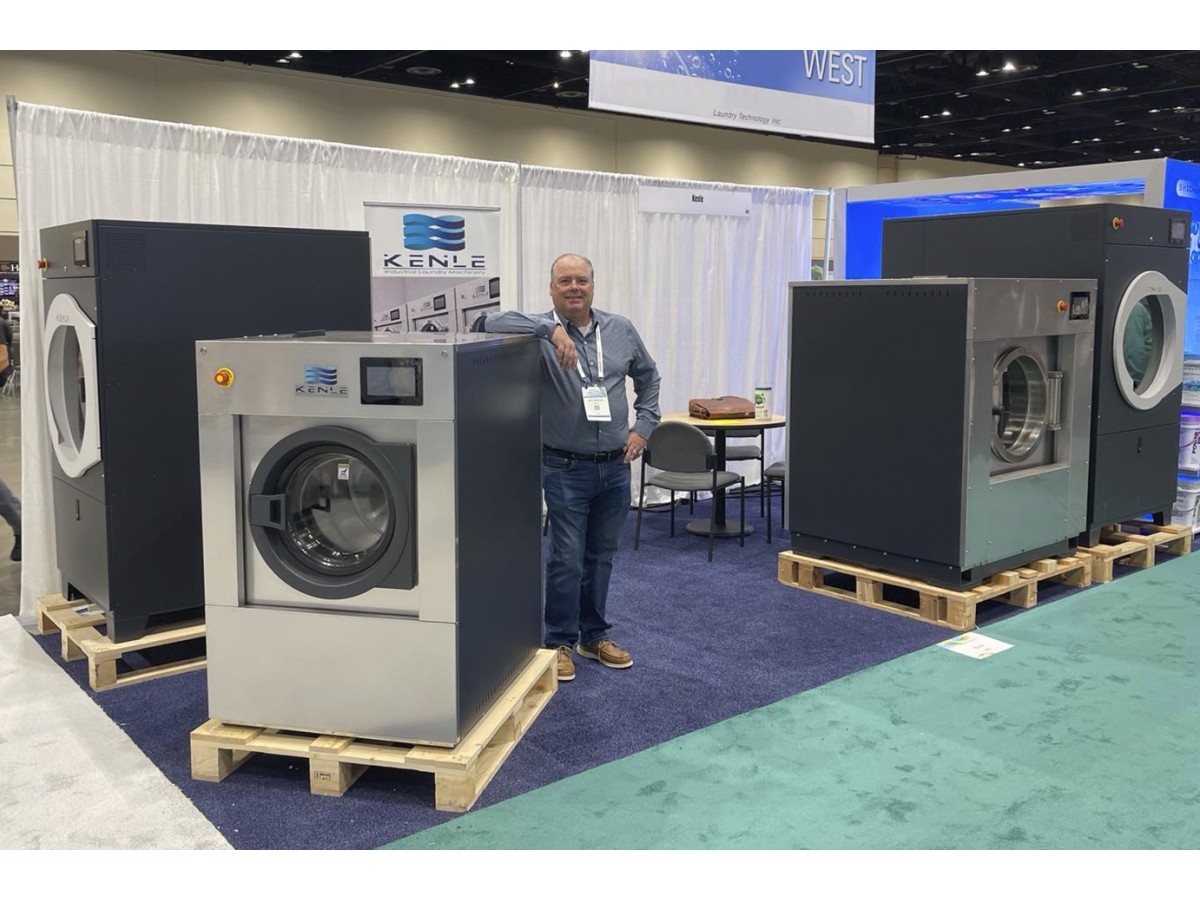
KENLE Showcased Industrial Washing Equipment at The Clean Show 2025
From August 23–29, 2025, KENLE proudly participated in The Clean Show 2025 in Orlando, Florida – the leading exhibition for the laundry and textile care industry.
Read more
Introducing the New KENLE E22 & E28 Industrial Dryers
We are proud to announce the launch of two new additions to our professional dryer lineup: the KENLE E22 and KENLE E28. Designed to deliver maximum performance with optimal energy efficiency, these machines embody the latest advancements in industrial textile care.
Read more
KENLE to Showcase Industrial Washing Equipment at The Clean Show 2025
We are pleased to announce that KENLE will be participating in The Clean Show 2025, the premier exhibition for the laundry and textile care industry. The event will take place from August 23-29, 2025, in Orlando, Florida. Location: Booth West Building 1893
Read more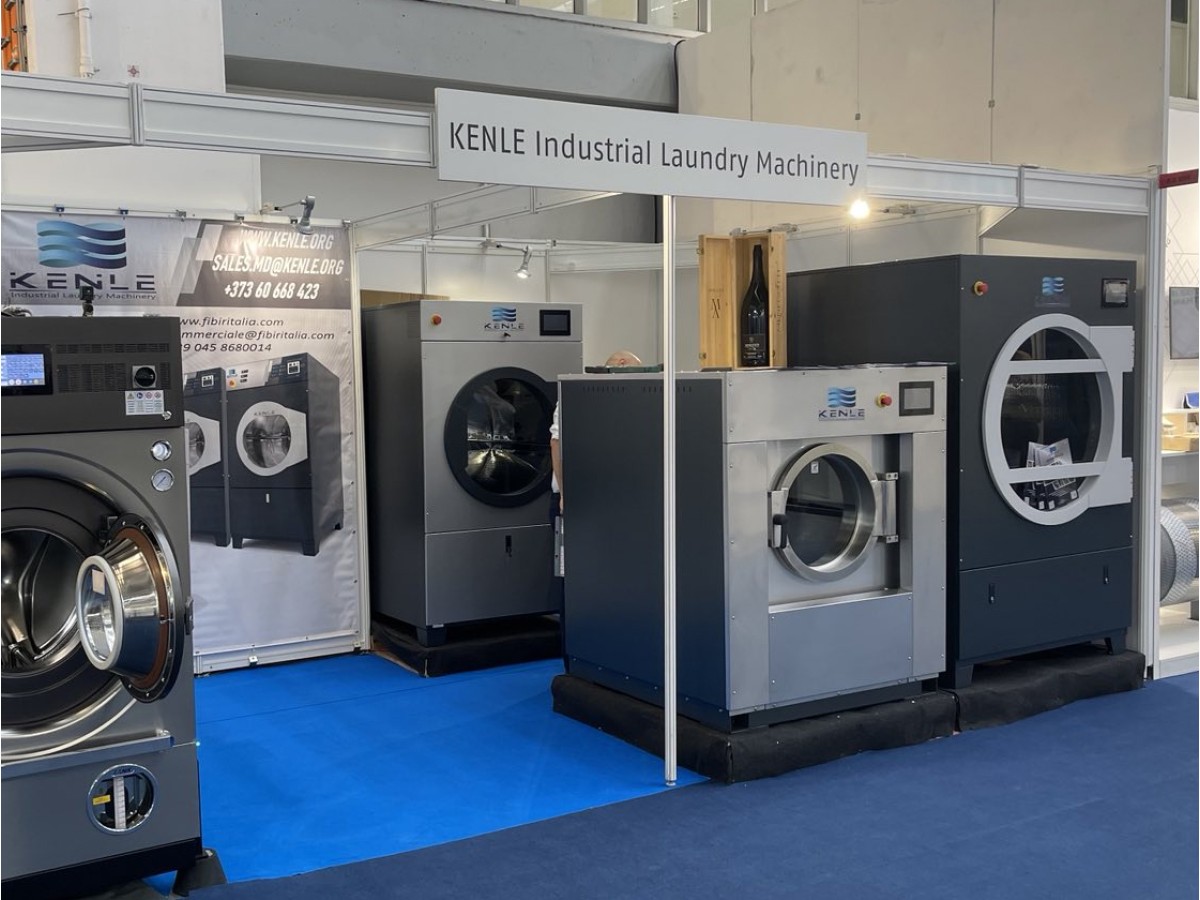
Kenle at Texcare 2024 – Exhibition of Innovation in Industrial Laundry Equipment
From 6 to 9 November 2024, AGA TECH SRL, with the Kenle brand, proudly participated in Texcare 2024, the leading international trade fair for the laundries, dyeing and textile services sector, which was held in Frankfurt am Main, Germany.
Read more
New KENLE E55 dryer: Innovation in Durability and Performance
Kenle is proud to introduce the new Kenle E55 dryer, an innovation in industrial drying technology. Designed for greater durability, superior performance and optimized efficiency, the E55 is the perfect choice for businesses looking to improve their laundry operations.
Read more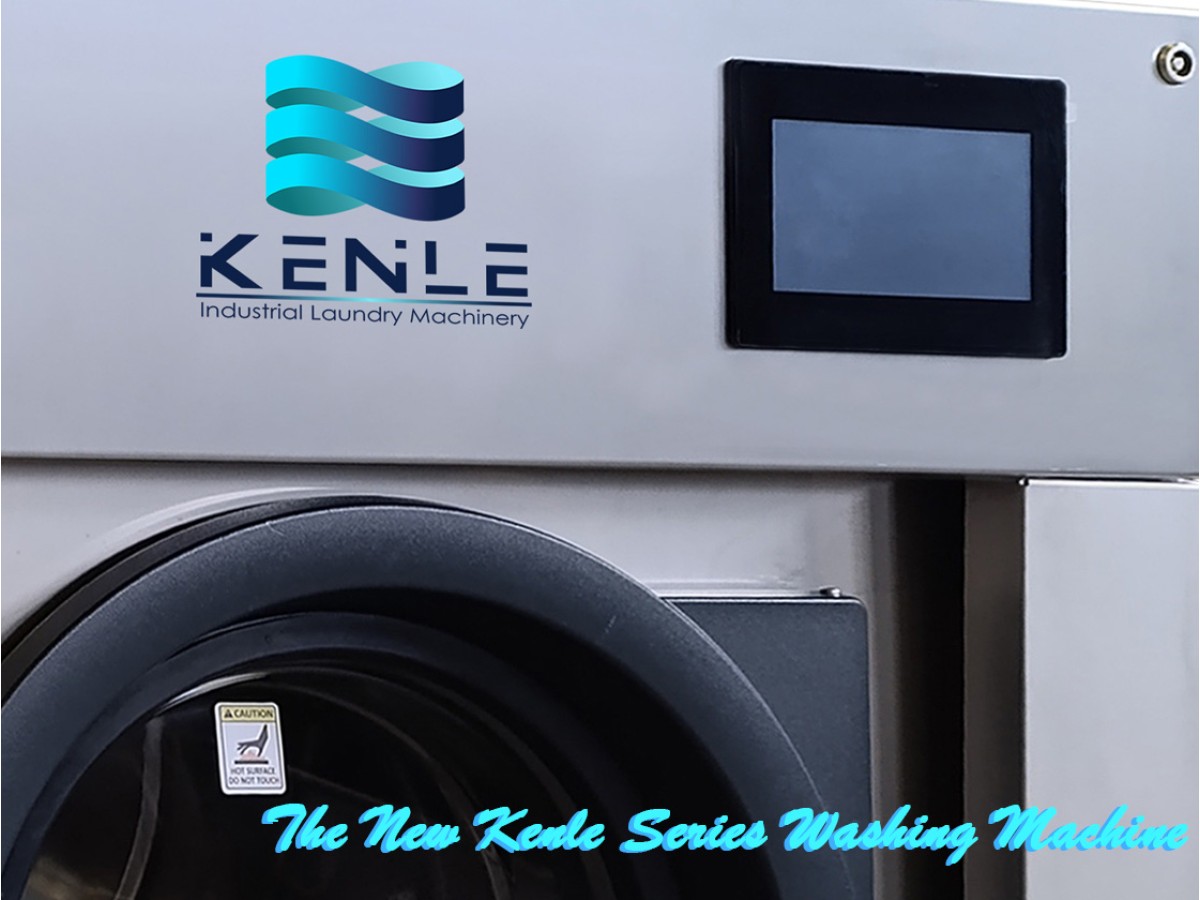
Presentation of the new series of Kenle industrial washing machines: revolutionizing laundry efficiency
In the ever-evolving world of industrial laundry, keeping up with the times means embracing innovation and efficiency. At Kenle, we are committed to providing cutting-edge solutions that redefine the standards of performance and reliability. We are excited to present our new series of industrial washing machines, designed to meet different laundry needs.
Read more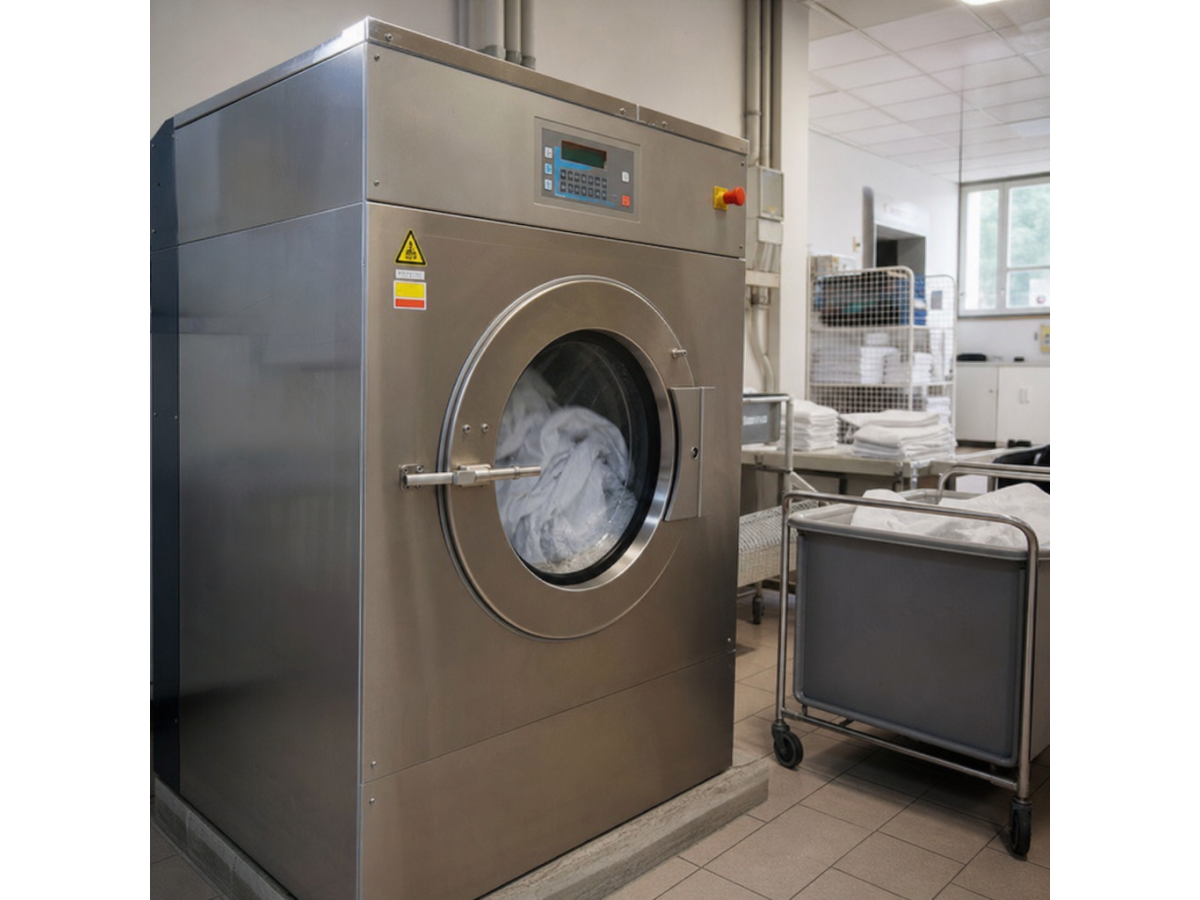
Before Buying a Laundry Washer: Practical Checklist
Before buying a machine for a commercial laundry, gather more precise information than the capacity on a brochure. Record how many loads you process, which textiles you handle and what the room and utilities can support. This is a…
Read more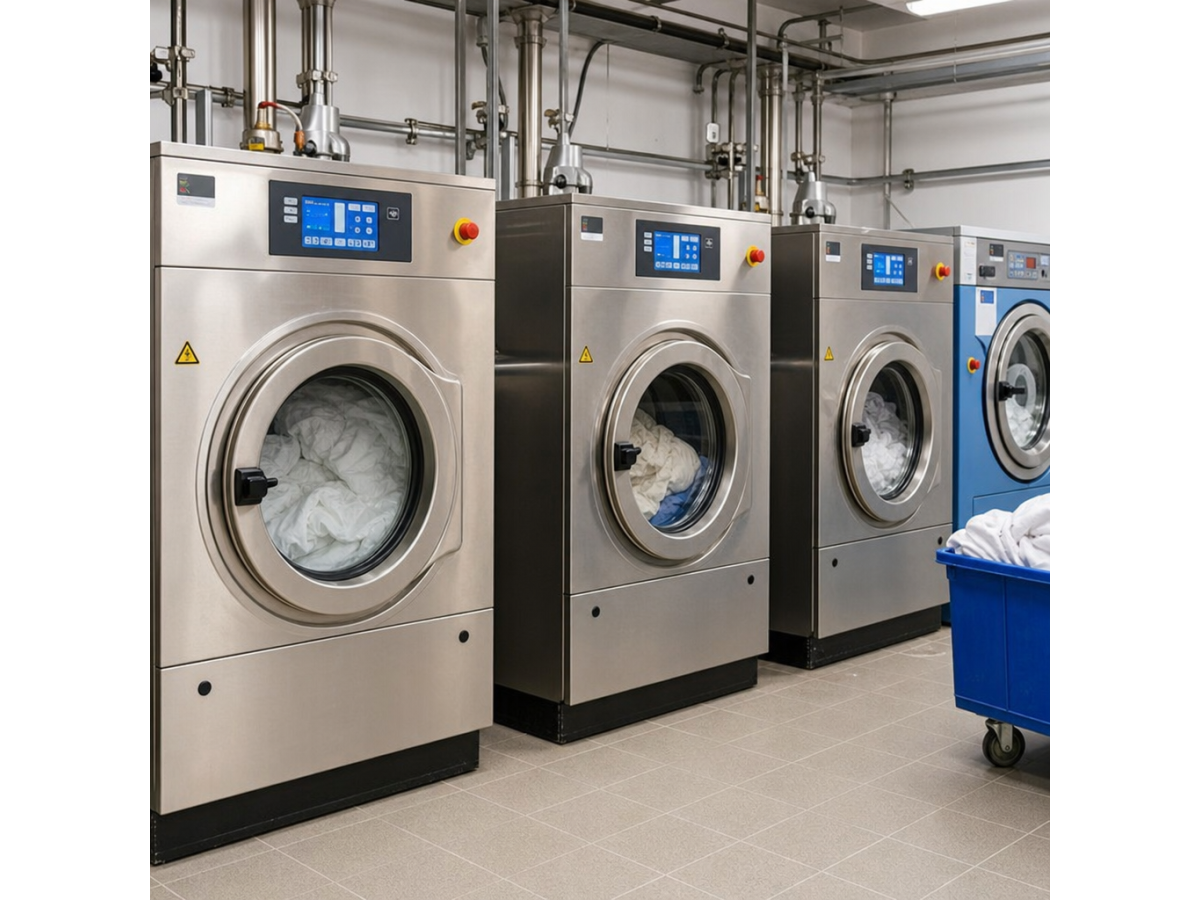
Laundry Productivity: Reducing Waiting Times and Bottlenecks
Laundry productivity is not just the nominal capacity of a washer. It also depends on sorting, loading, unloading and the time textiles spend waiting between washing and drying. In this article we look at how to identify workflow…
Read more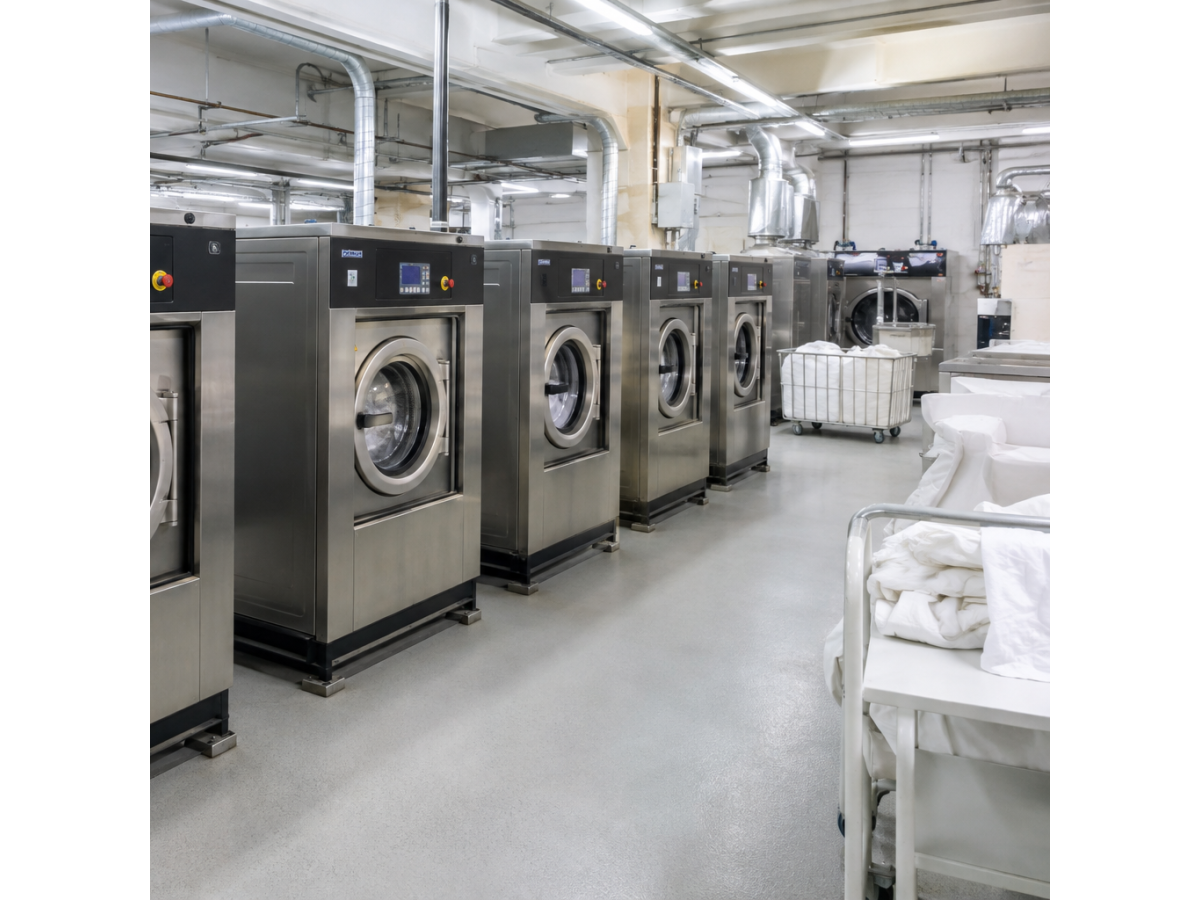
How to Calculate Washer Capacity for Your Business
To select washer capacity for a business, start with the kilograms of textiles produced each day, not with the largest model in a catalogue. Separate textiles by wash programme, allow for peak periods and estimate how many cycles fit…
Read more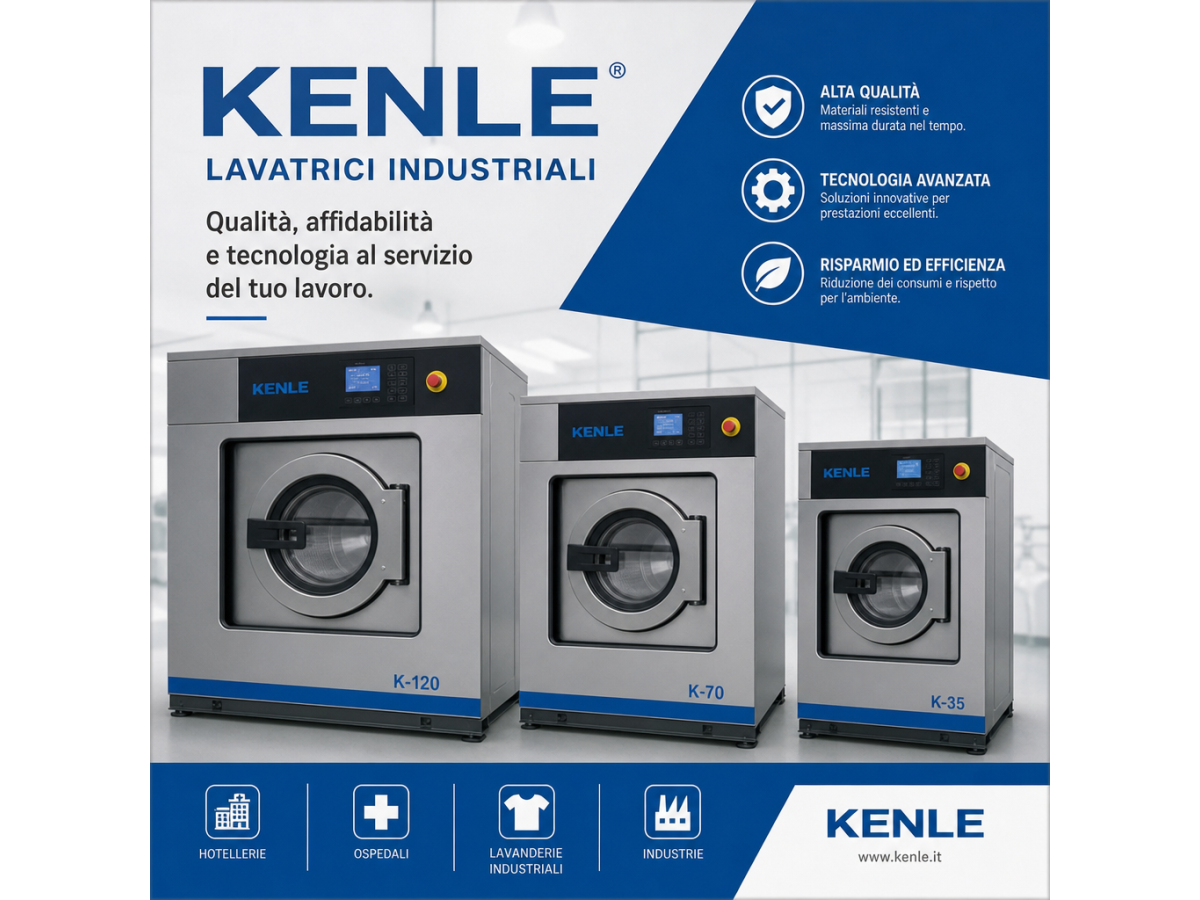
Linen Management in Hotels, Healthcare and Catering
Hotels, restaurants and healthcare facilities may all need professional washing equipment, but their linen flows are different. Turnover patterns, textile types, separation procedures and staff routines all change. This guide compares…
Read more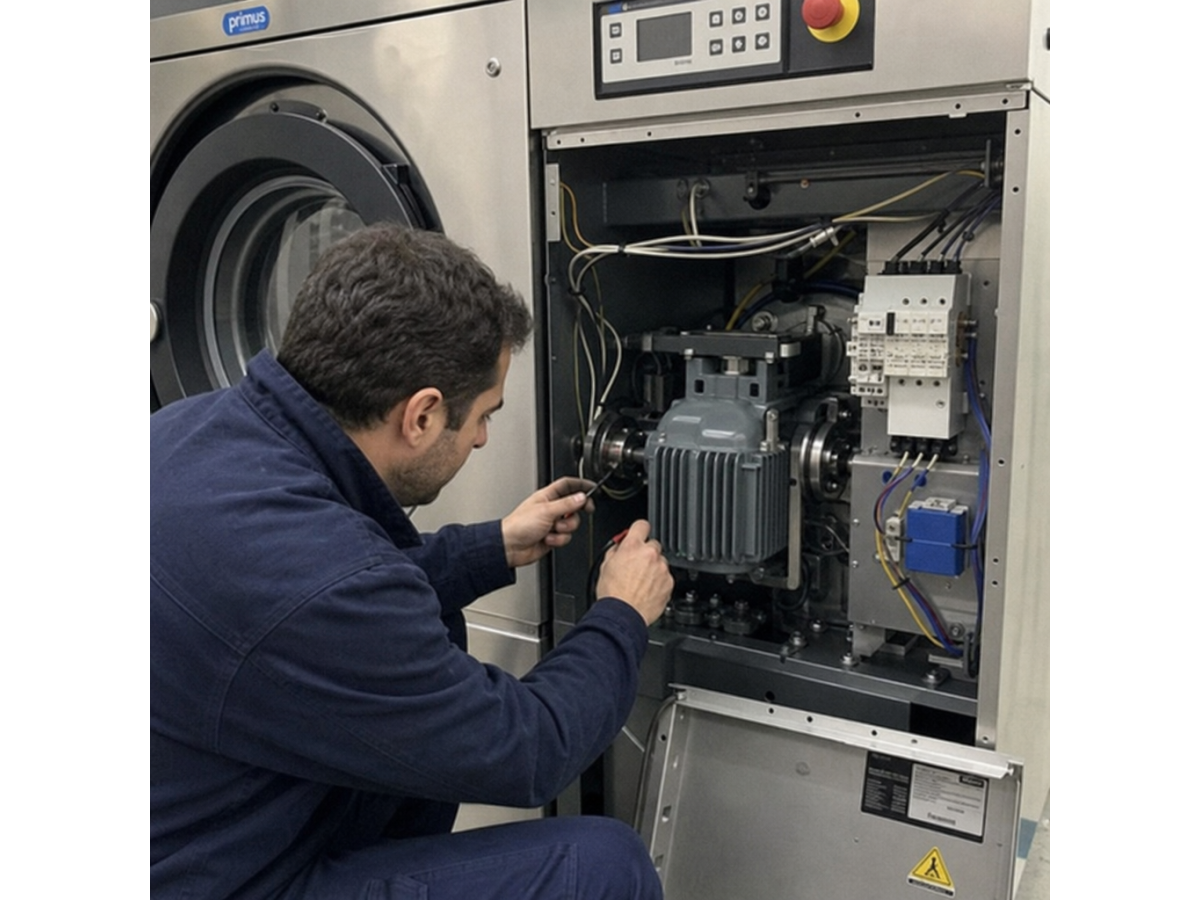
Total Washer Ownership Cost: Expenses to Consider
When evaluating a laundry investment, the purchase quotation tells only part of the story. Utilities, installation, detergents, scheduled service and possible downtime contribute to the cost of operating a machine for years. This…
Read more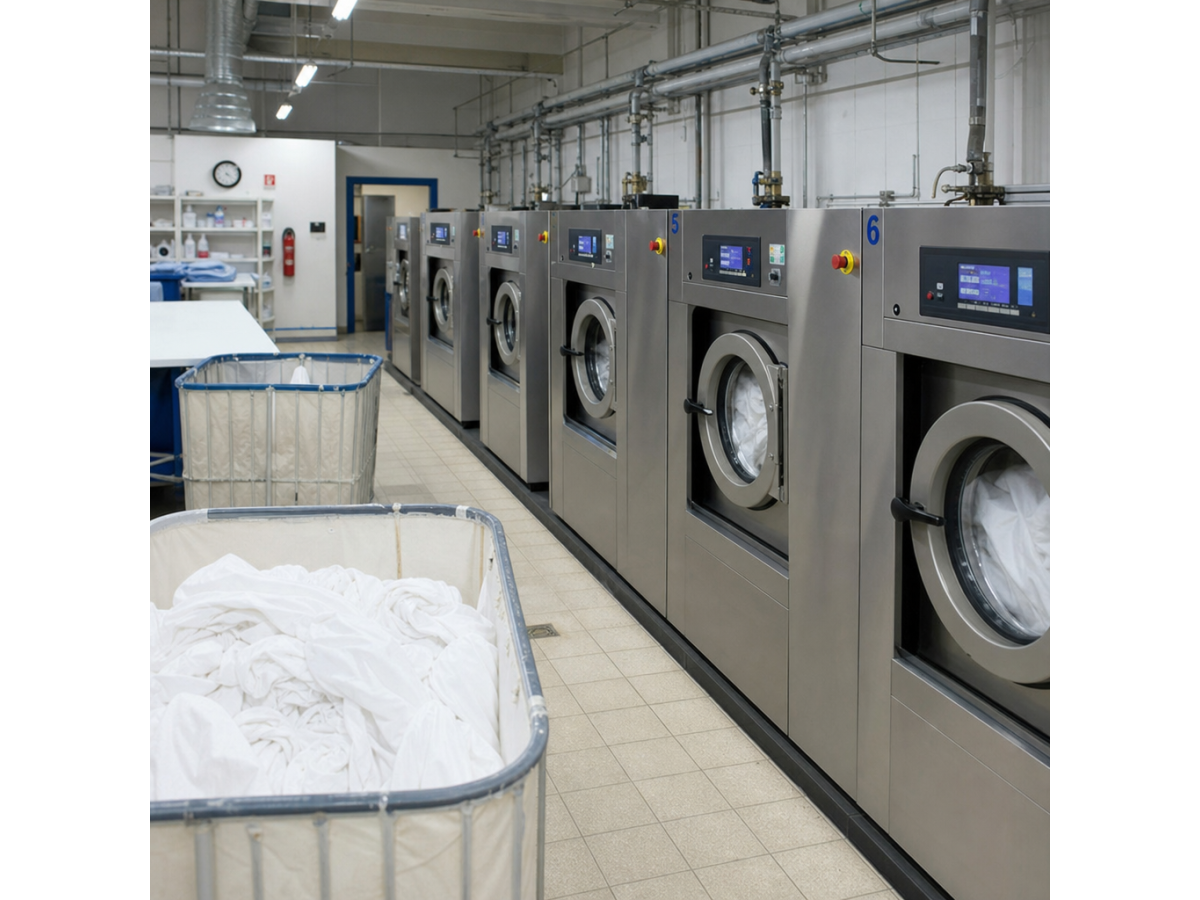
Laundry Workflow: Balancing Washing and Drying
A laundry is a sequence of steps: receiving, sorting, washing, extracting, drying and returning textiles. If one stage handles fewer loads than the previous one, queues and unnecessary handling result. Here we examine balancing…
Read more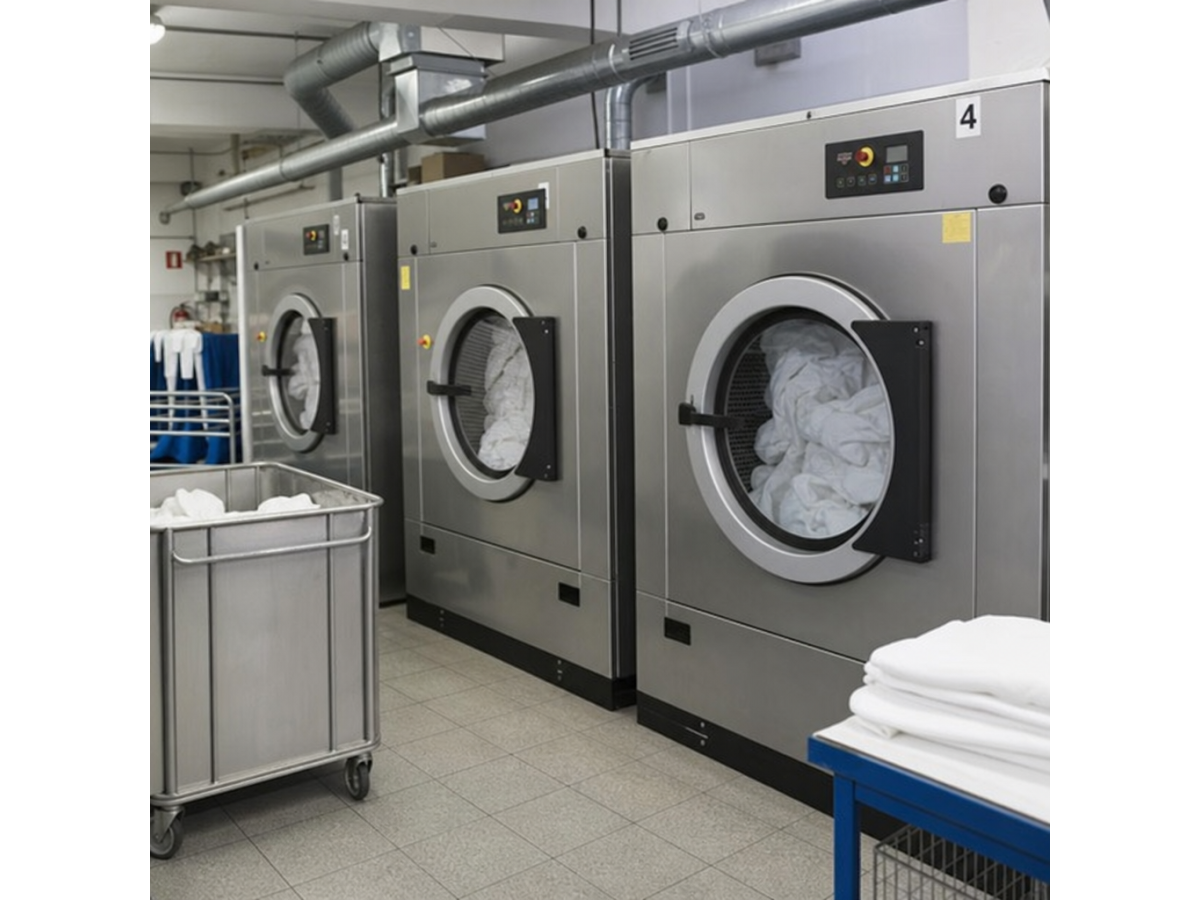
Gas, Electric or Steam Drying: How to Compare Options
The best dryer heating system depends on site utilities, daily load volume and local energy tariffs. Natural gas, LPG and electricity bring different installation considerations; optional steam heating may also be available for certain…
Read more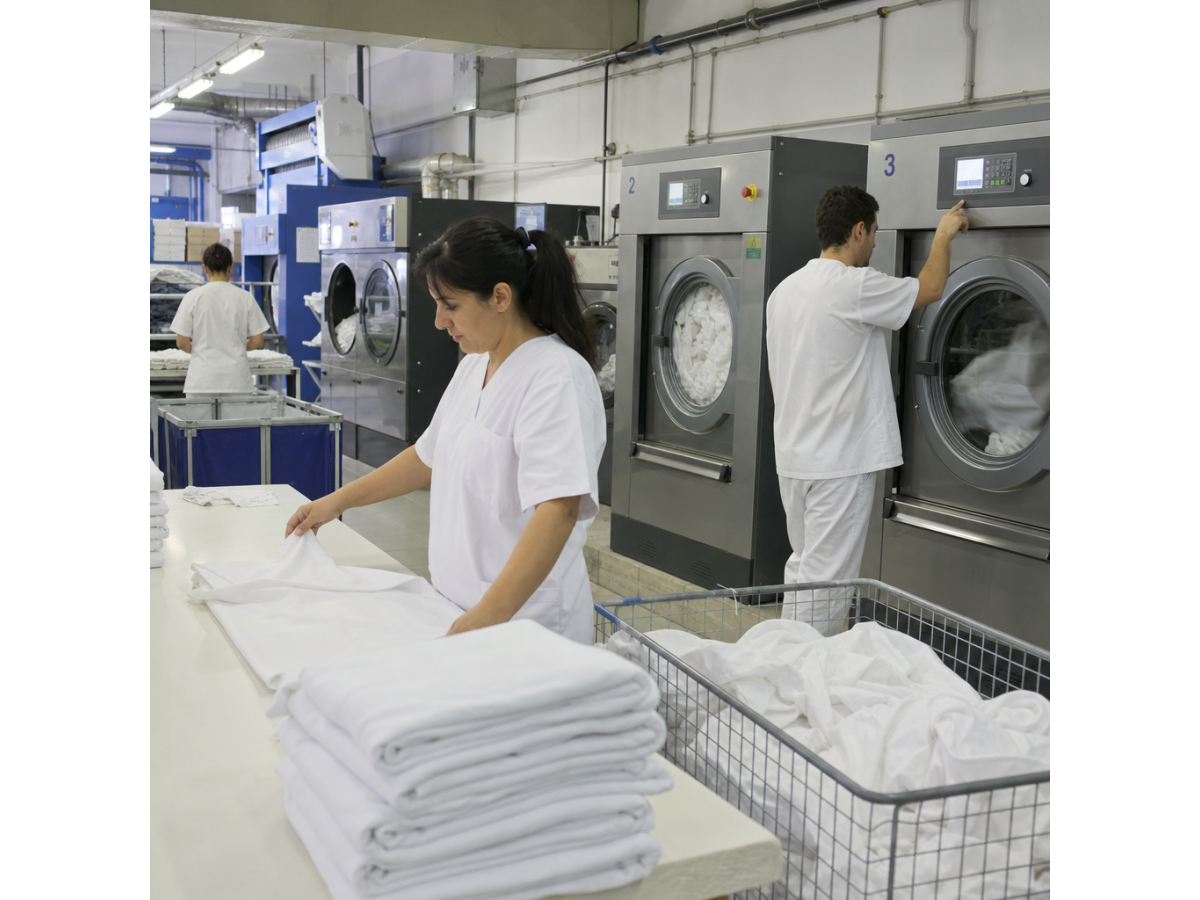
Commercial Laundry Maintenance: Reducing Machine Downtime
Reliable laundry operation depends on more than the claimed strength of machinery. Cleaning, access to components, operator training and spare parts all contribute to fewer unexpected stoppages. This guide provides a method for…
Read more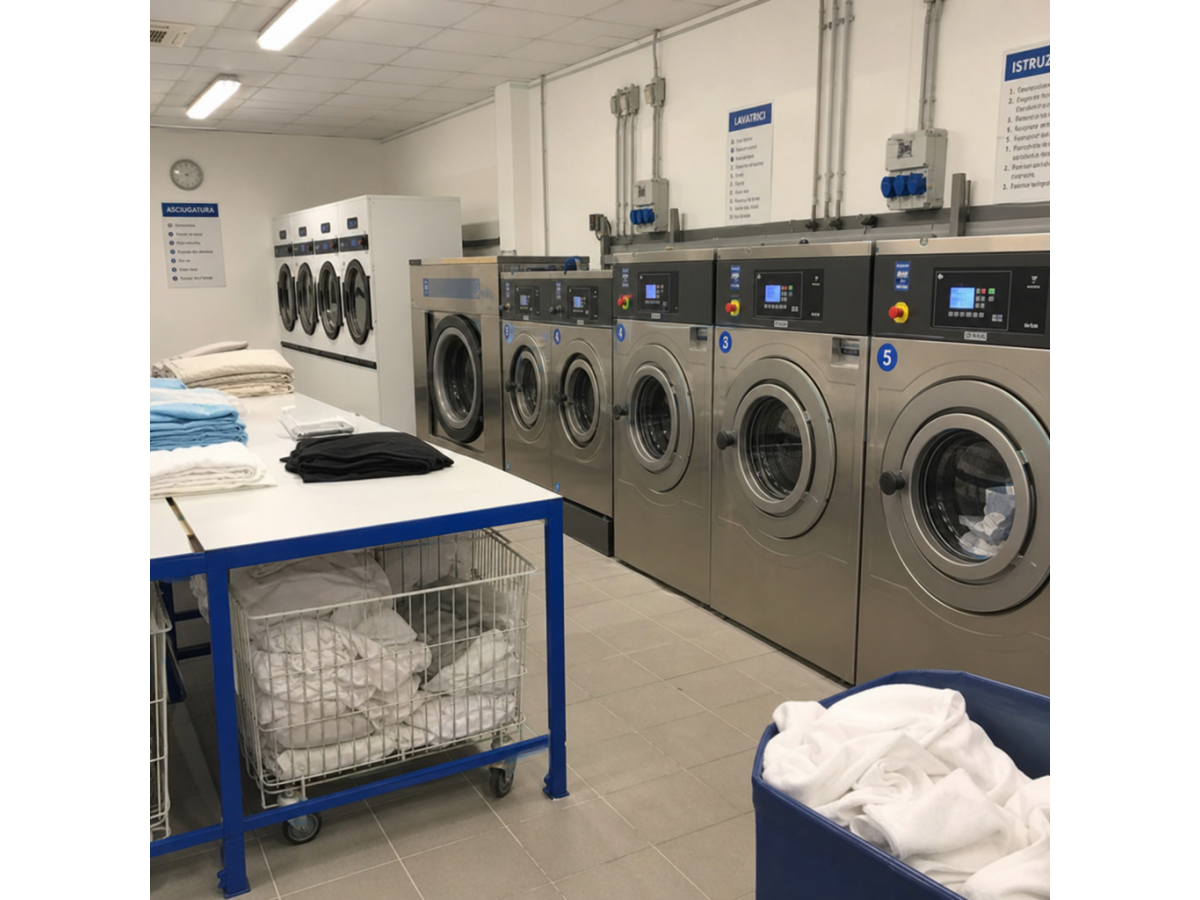
Commercial Laundry Budget: Planning the Investment
A commercial laundry investment plan should separate one-time costs, recurring expenses and an allowance for unforeseen work. Machinery prices matter but do not reflect the full amount needed to open or renovate a laundry. This article…
Read more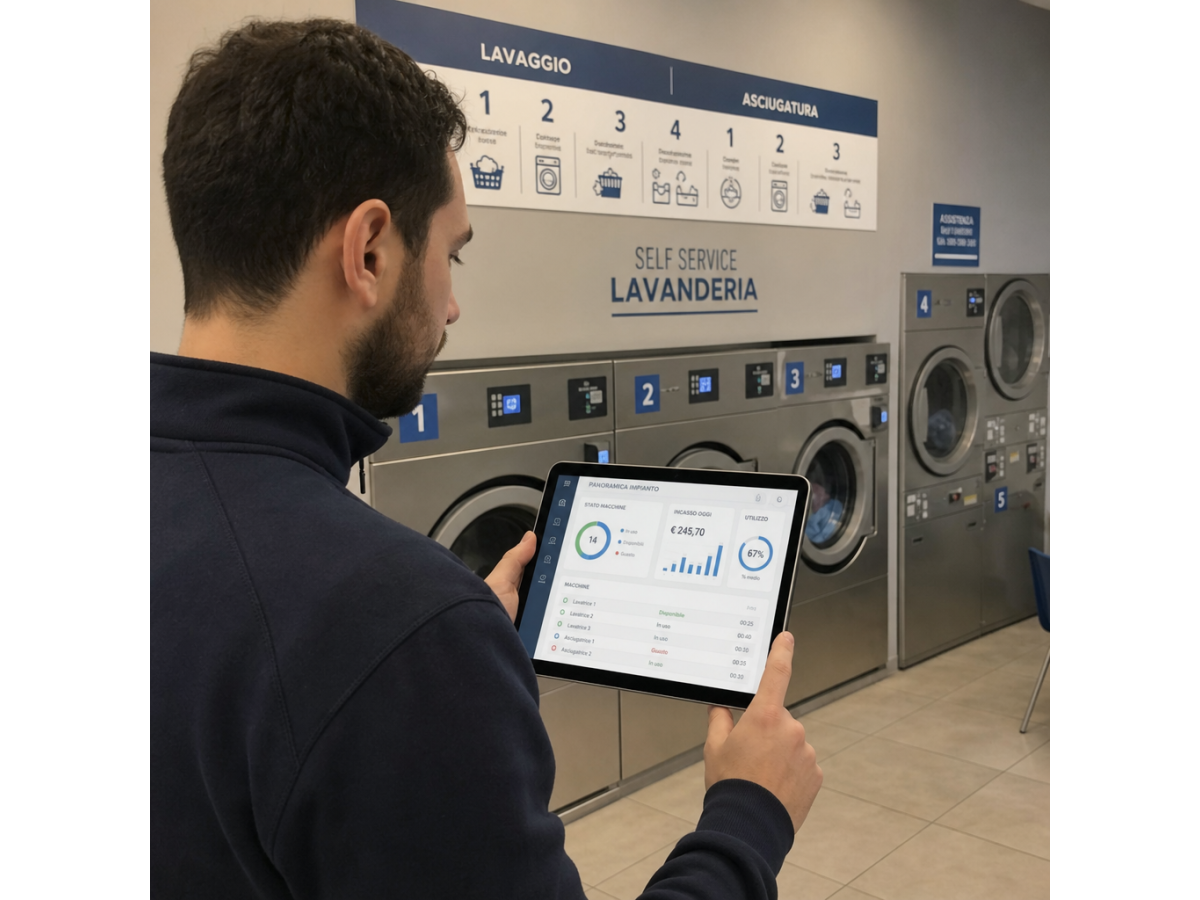
Opening a Self-Service Laundry: Layout, Payment and Workflow
Opening a self-service laundry involves far more than choosing machines. Customer routes, payment options, clear instructions, cleaning, maintenance and safe operation all matter. The number of stations should reflect expected peaks and…
Read more
Water Hardness in a Laundry: Practical Checks and Warning Signs
Water is part of the washing process, alongside programmes and detergents. Changes in water composition can influence how cleaning products perform, how deposits form and how easily textiles rinse. Measuring water hardness is therefore useful before…
Read more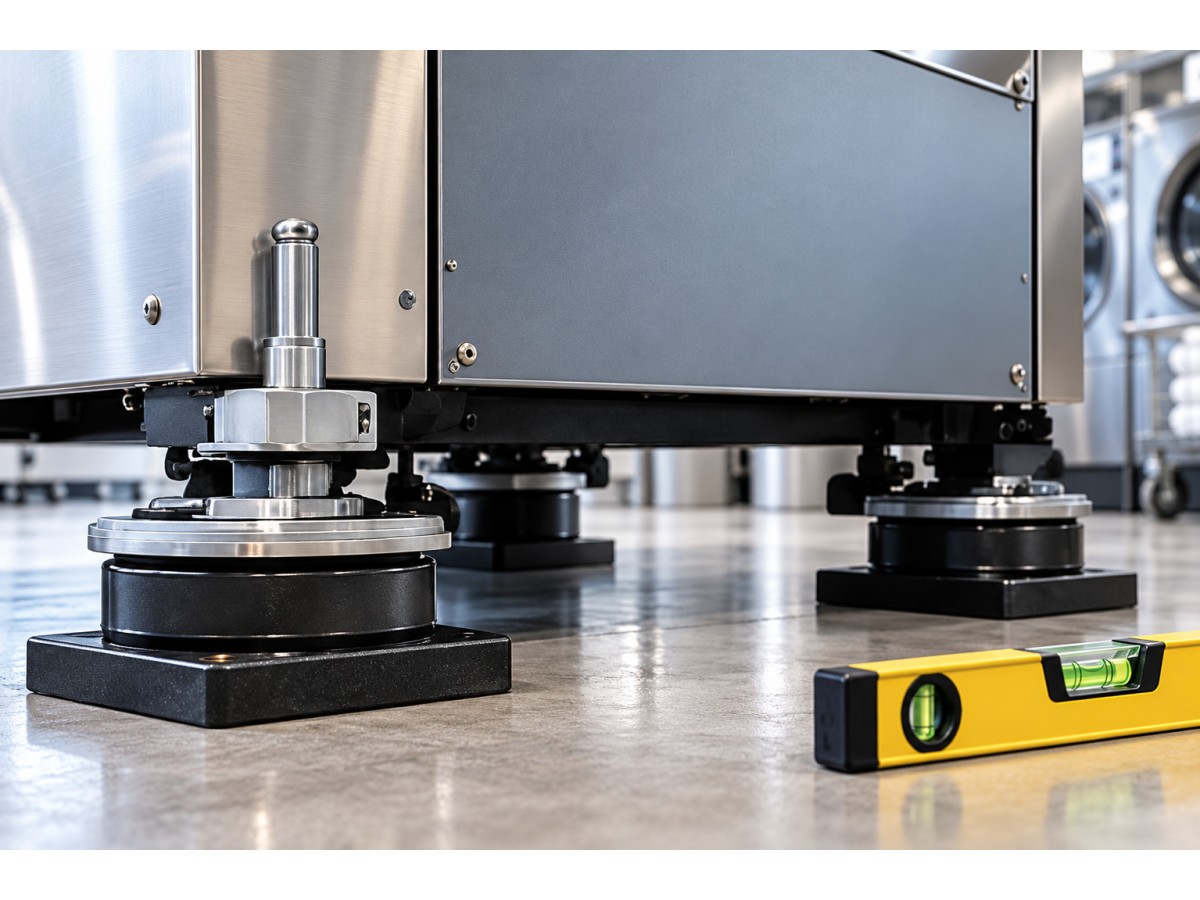
Washer Installation: Floors, Vibration and Site Preparation
The installation location deserves as much attention as the washing programme. A narrow doorway, unsuitable drain or unverified floor can become a problem before the first cycle even starts. This guide outlines questions to discuss with a technician; it…
Read more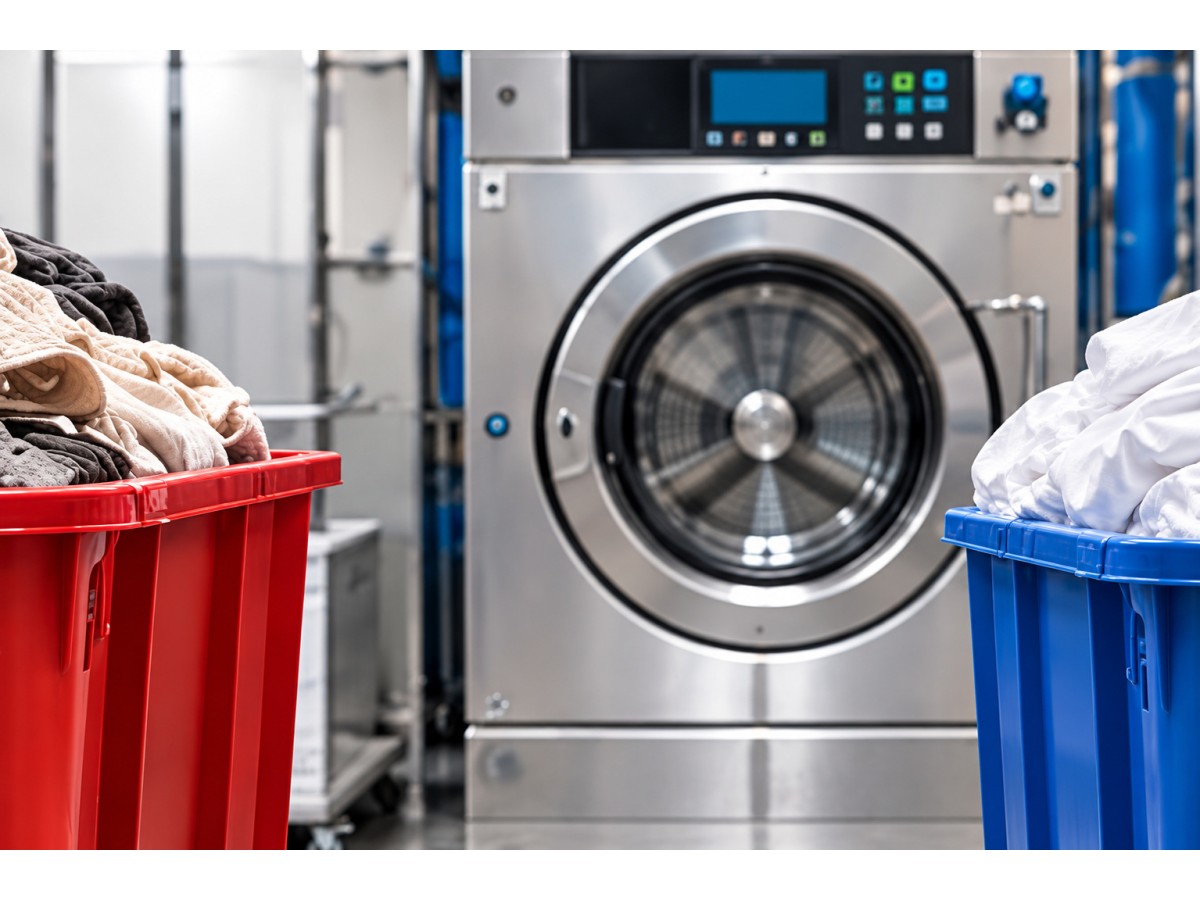
Dirty-to-Clean Workflow: Organising a Laundry Room
A well-organised laundry room has a textile route that new staff can understand quickly. The goal is not to fill every available metre with machines, but to avoid unnecessary crossings between soiled linen, clean loads, carts and people. A simple floor…
Read more
Dryer Airflow and Lint Filters: A Laundry-Room Checklist
Drying depends on airflow consistent with the machine and room design. When lint filters, ducts or air inlets are not managed correctly, cycle times may become less predictable and service requirements may increase. Before changing programme settings,…
Read more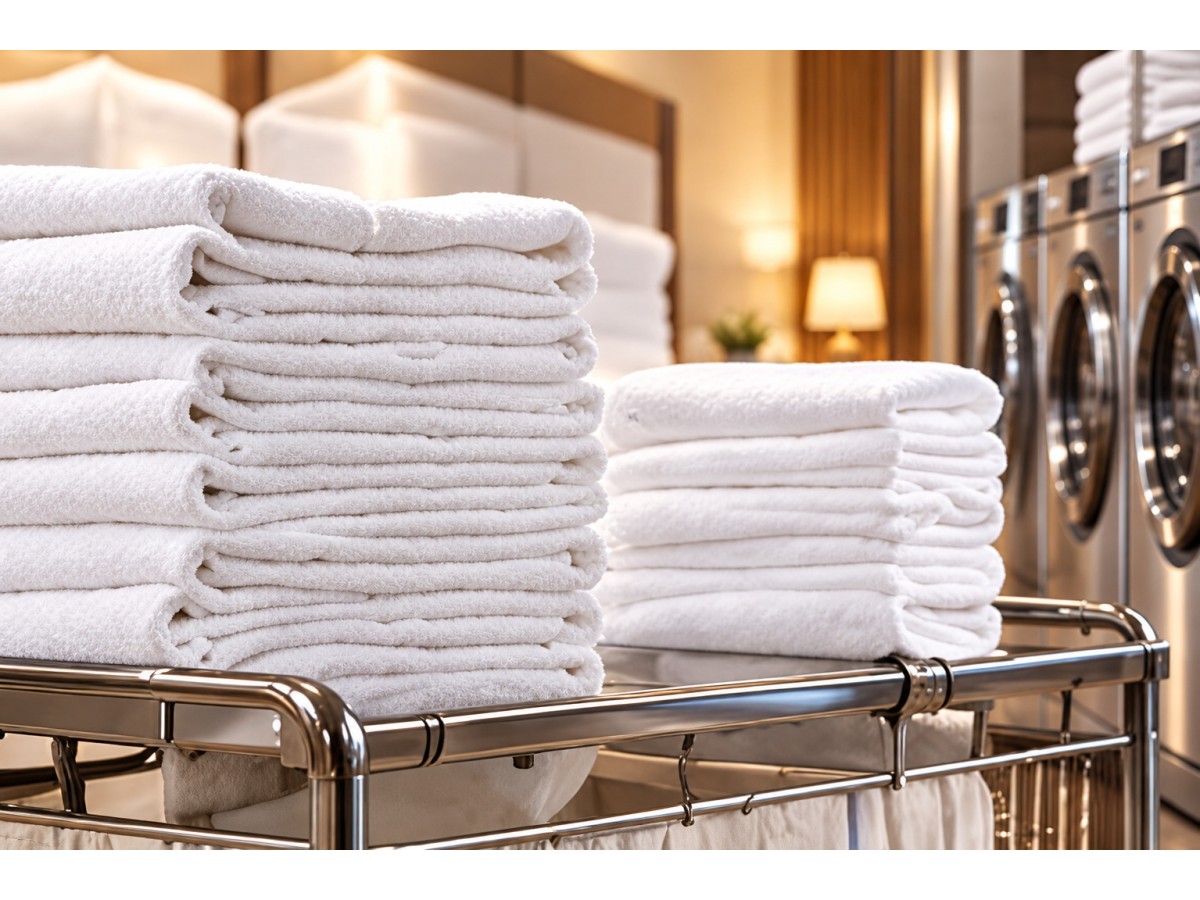
Hotel Towels and Sheets: Organising the Drying Shift
Towels and sheets often reach a hotel laundry at the same time, but they do not behave identically during drying. Terry towels retain considerable moisture and take up drum volume, while sheets may require particular attention to creasing and finishing.…
Read more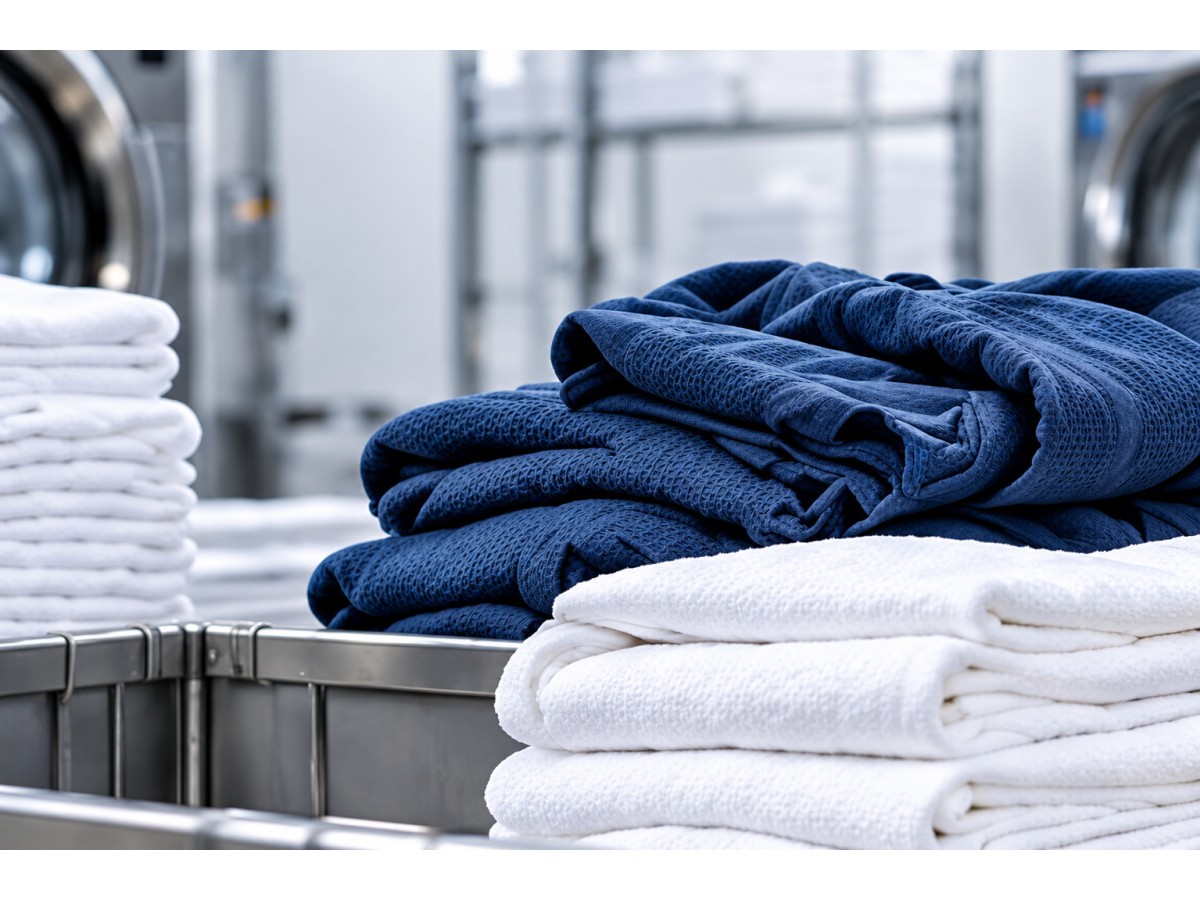
Sorting Laundry Textiles: A Practical Method to Reduce Errors
Load preparation can affect washing results as much as the selected programme. Mixing items that behave differently increases the chance of rework and makes defects harder to investigate. A clear sorting routine is therefore an operational tool, not…
Read more
Laundry Load Traceability: Labels, Carts and Handover Checks
When a laundry serves several departments or customers, a frequent risk is not simply finishing a cycle late but losing information about a batch. A straightforward identifier followed from receipt to dispatch makes responsibilities clearer and helps…
Read more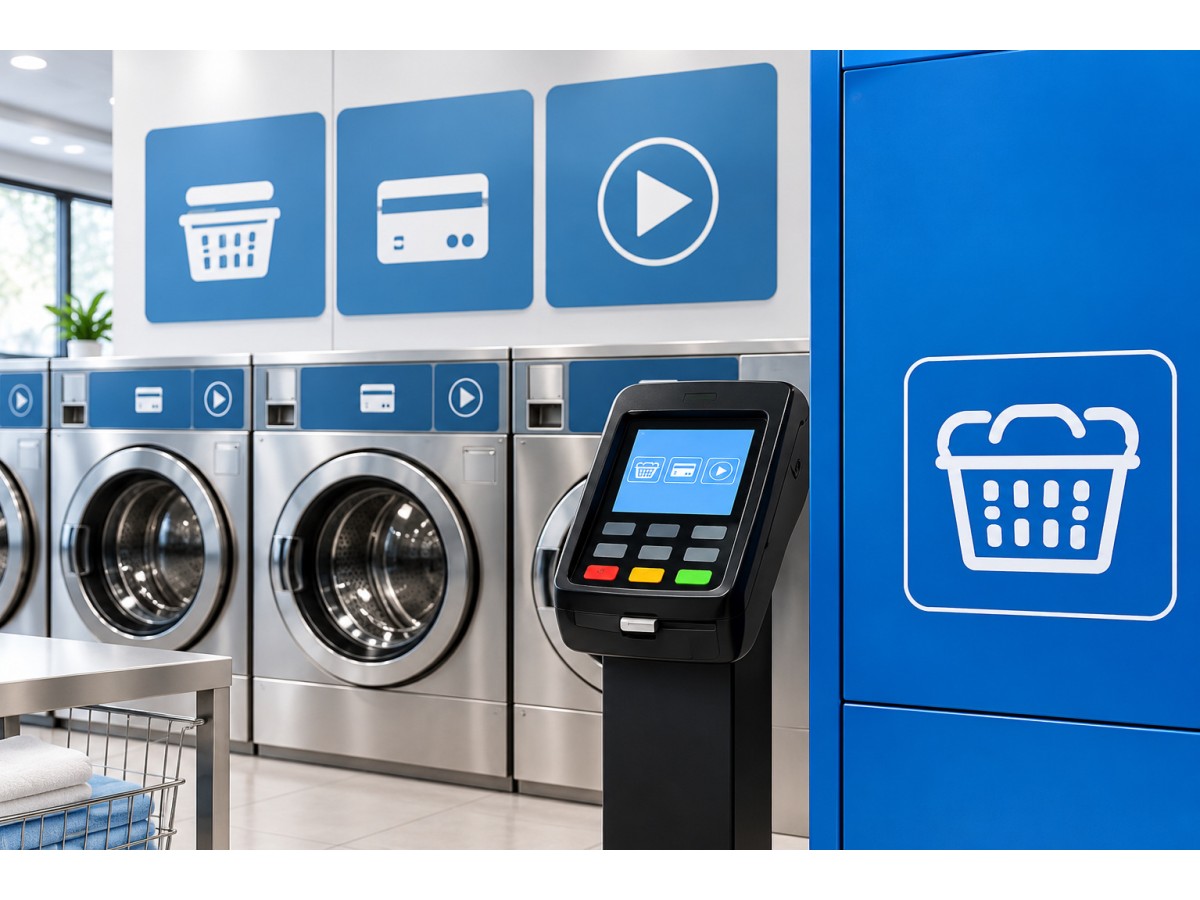
Self-Service Laundry Payments and Instructions: What to Test
A self-service laundry should be judged partly by what customers can complete without requesting help. Before opening, observe the whole journey: entering, choosing a machine, paying, starting a programme, waiting and collecting the load. A trial with…
Read more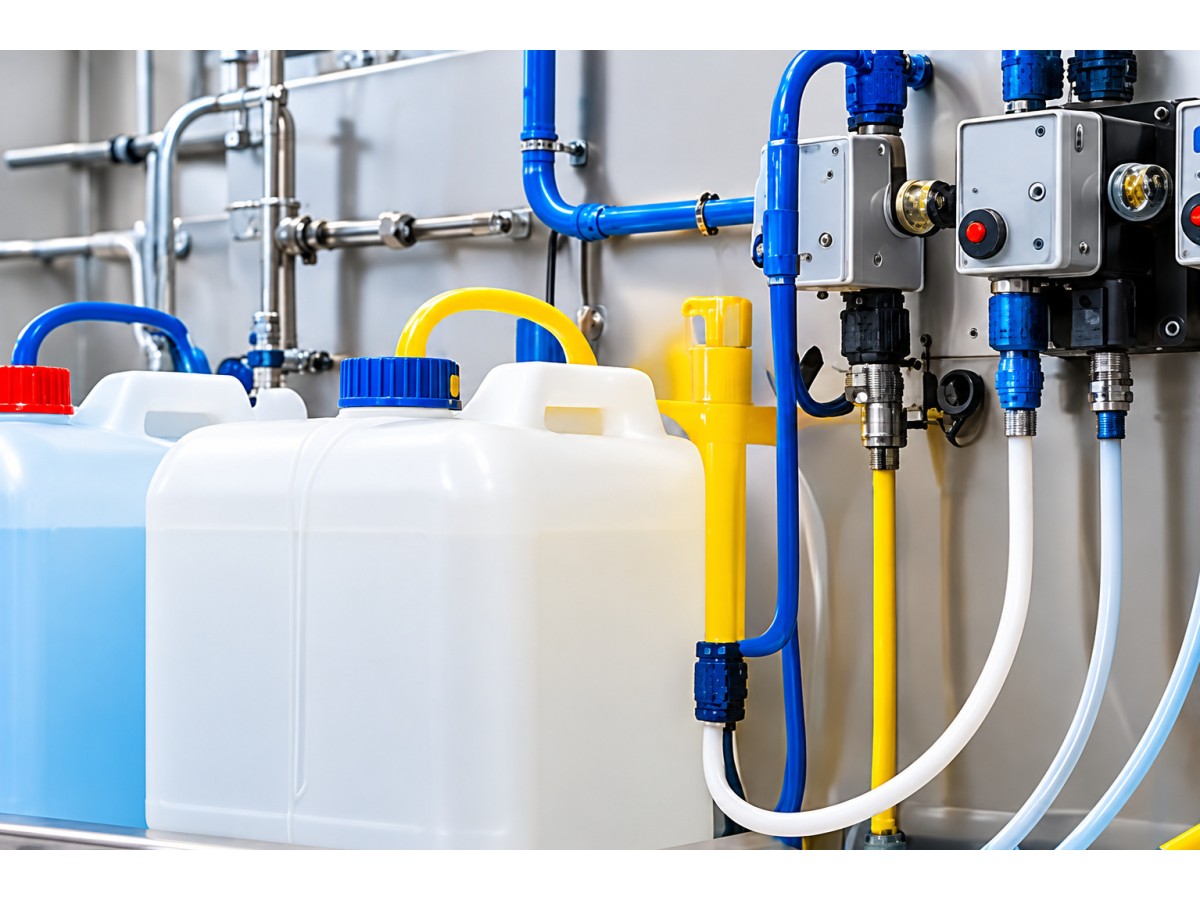
Automatic Detergent Dosing: Checks Before Daily Operation
Automatic detergent dosing can make some laundry operations more repeatable, but the result still depends on correct setup and daily checks. The main mistake is assuming that automation removes the need for supervision. Products, tubing, programmes and…
Read more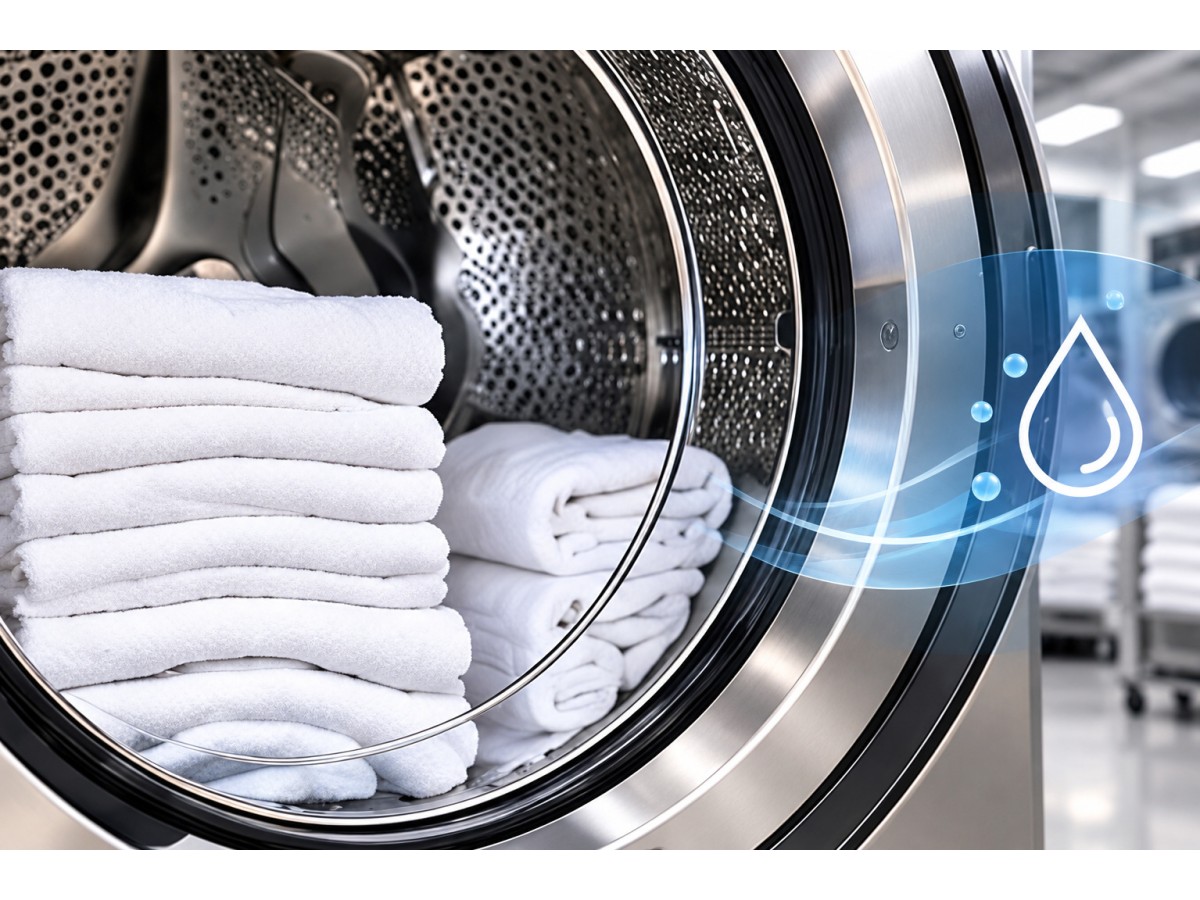
Residual Moisture After Drying: Checks and Consistent Results
A drying cycle is not judged simply because the machine has stopped. Some textiles must be completely dry before storage, while others move on to finishing with different requirements. Residual moisture must therefore be considered together with fabric…
Read more
Laundry Water Consumption: How to Measure and Interpret It
A commercial laundry cannot understand its water use from the utility bill alone. To find avoidable consumption and assess investments, the team needs to know how many kilograms were washed, which programmes were used and what type of textiles were processed. Hotel towels and industrial workwear are not comparable workloads. This guide describes a repeatable measurement process rather than promising a universal percentage saving.
Read more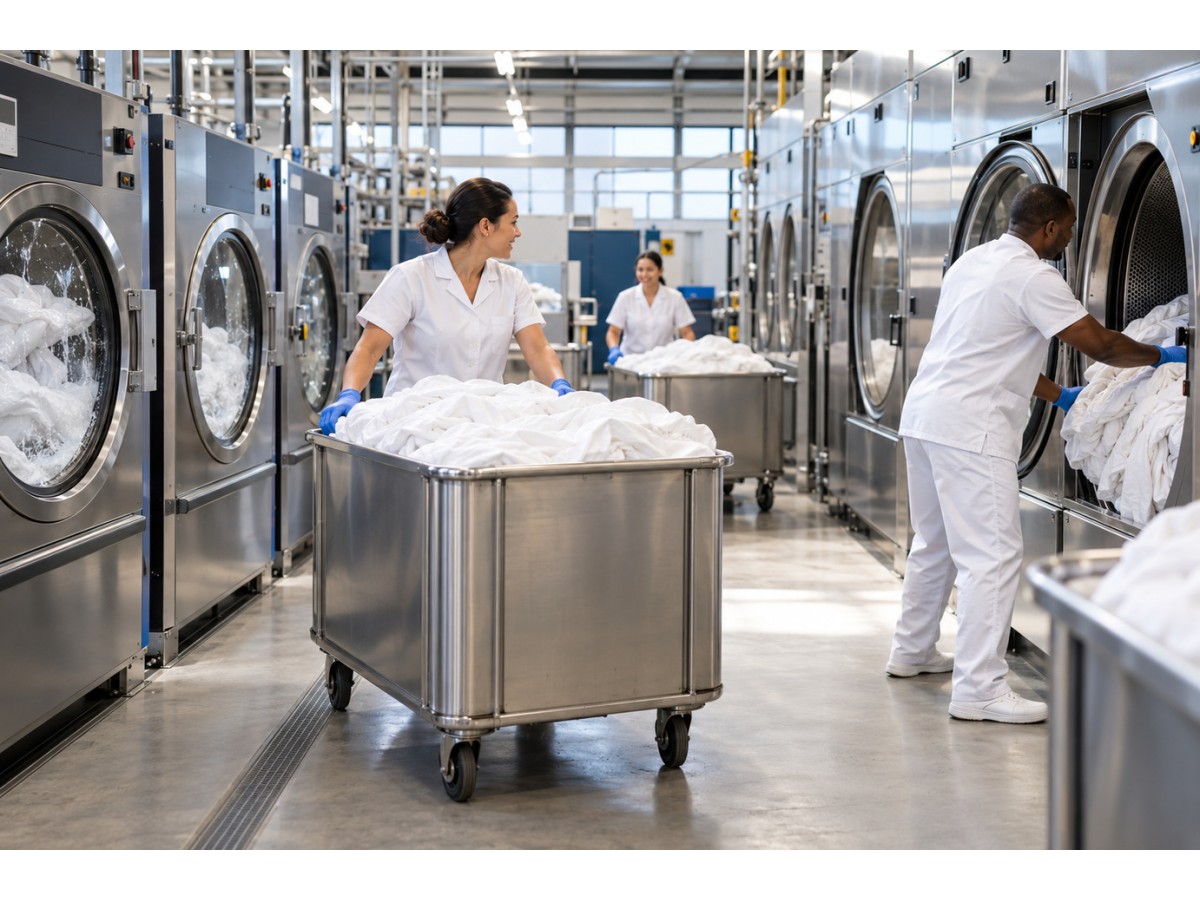
Bottlenecks Between Washing and Drying: Measure the Queue
A laundry's washers may finish on schedule while wet textiles accumulate in front of the dryers. Buying another machine is not always the first solution. Batch sequencing, gaps between rated and actual loads, and unrecorded handling time can all create delays. The useful starting measure is the time between the end of extraction and the beginning of drying , recorded for individual batches rather than estimated from how busy the room looks.
Read more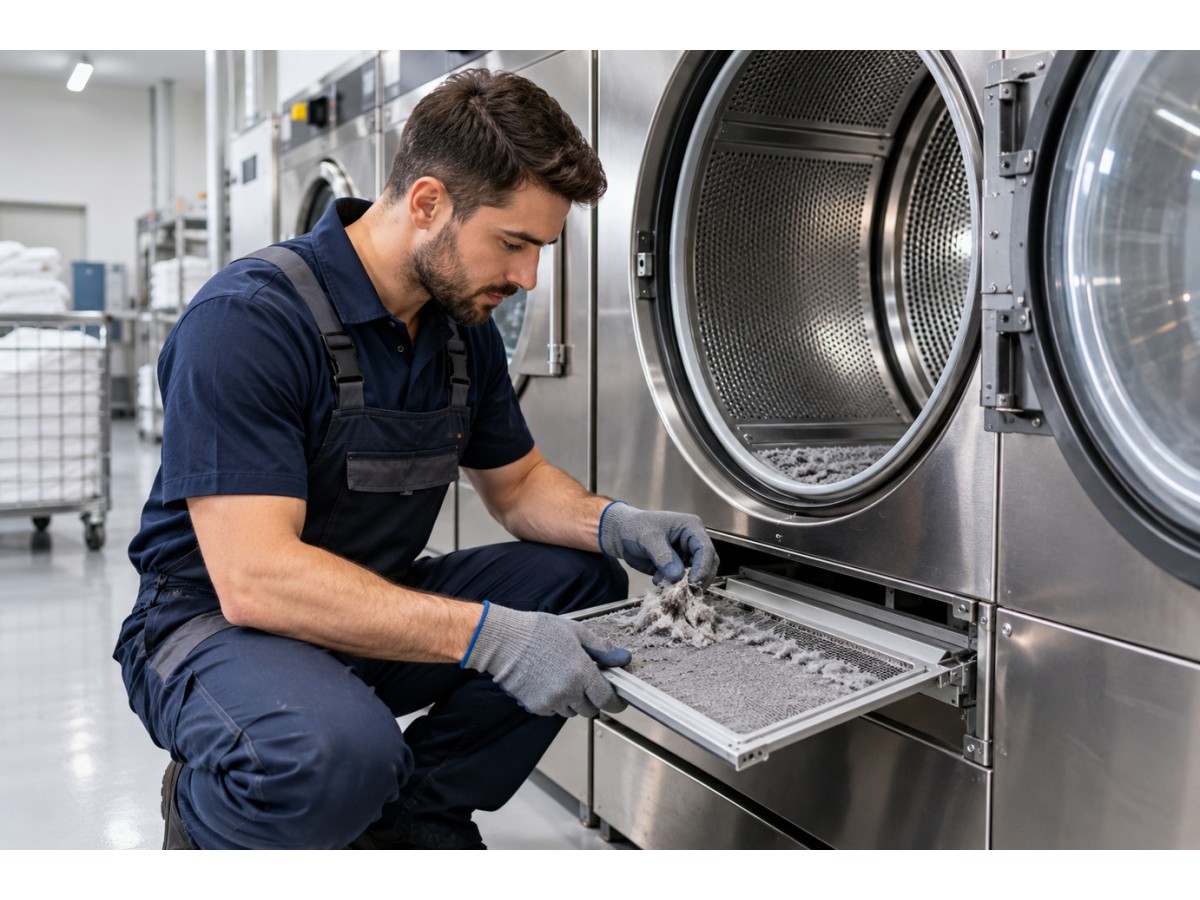
Professional Dryer Filters: Maintenance Records and Warning Signs
Lint is a normal by-product of tumble drying, but build-up can restrict airflow and affect operation. In a laundry running multiple shifts, the important question is not merely how a filter is cleaned. Someone must know who checks it, when the check is due and what happens if something is wrong. This article focuses on organising those responsibilities. It does not replace the dryer manufacturer's manual or the site's safety procedures.
Read more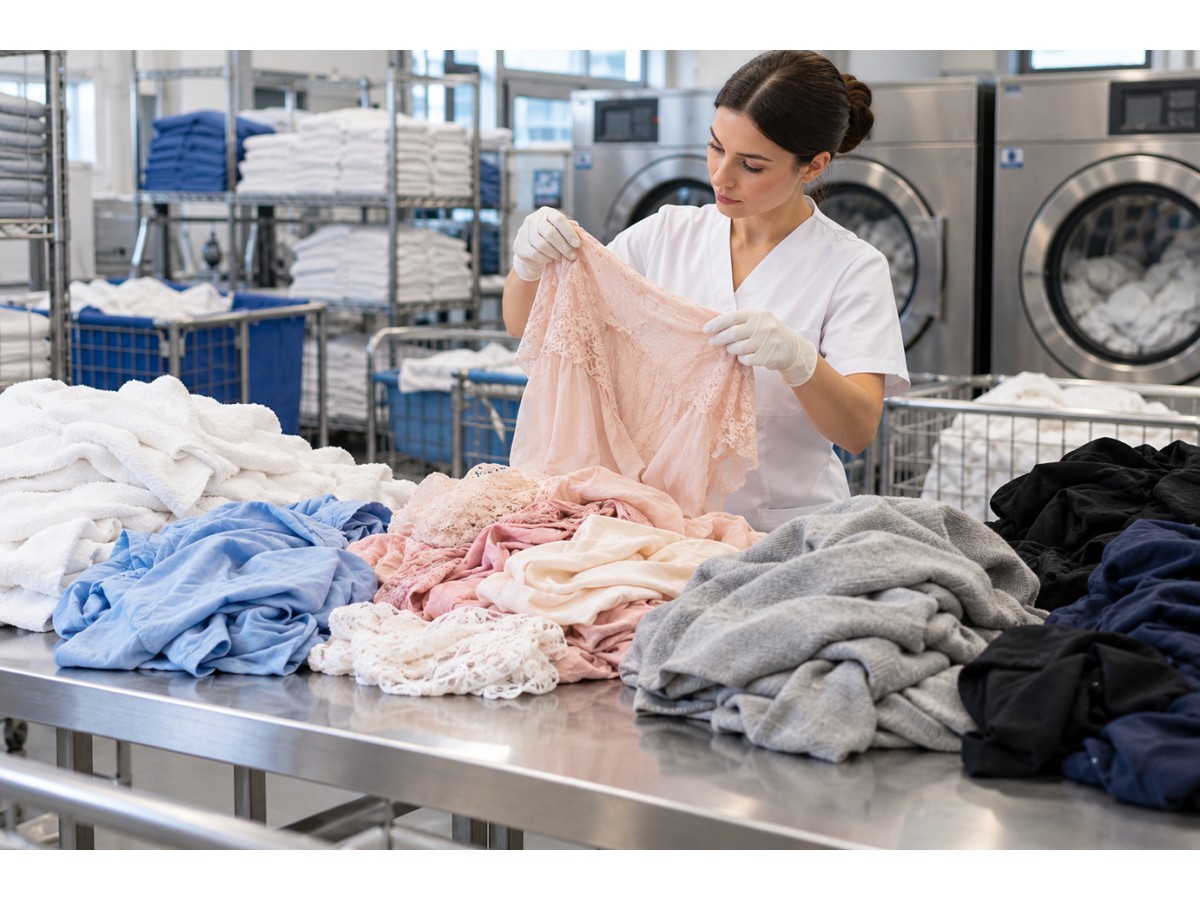
Mixed Laundry Loads: When Delicate Fabrics Must Be Separated
Professional laundry sorting involves much more than separating whites from colours. Two items of the same colour can require different treatments; two items from the same customer can carry different types of soil. The practical question is which textiles can share a programme without compromising cleaning, fabric integrity or the service specification? This guide concentrates on load compatibility rather than repeating a general introduction to sorting.
Read more
Gas-Heated Industrial Dryers: Checks Before Installation Planning
Choosing a gas-heated industrial dryer involves far more than comparing fuel prices. The project depends on whether natural gas or LPG is available, the exhaust route, combustion and make-up air requirements, maintenance access, and applicable local rules. A quotation based only on drum capacity may leave out essential building work. This checklist helps a laundry manager assemble the right information; it is not a do-it-yourself installation guide .
Read more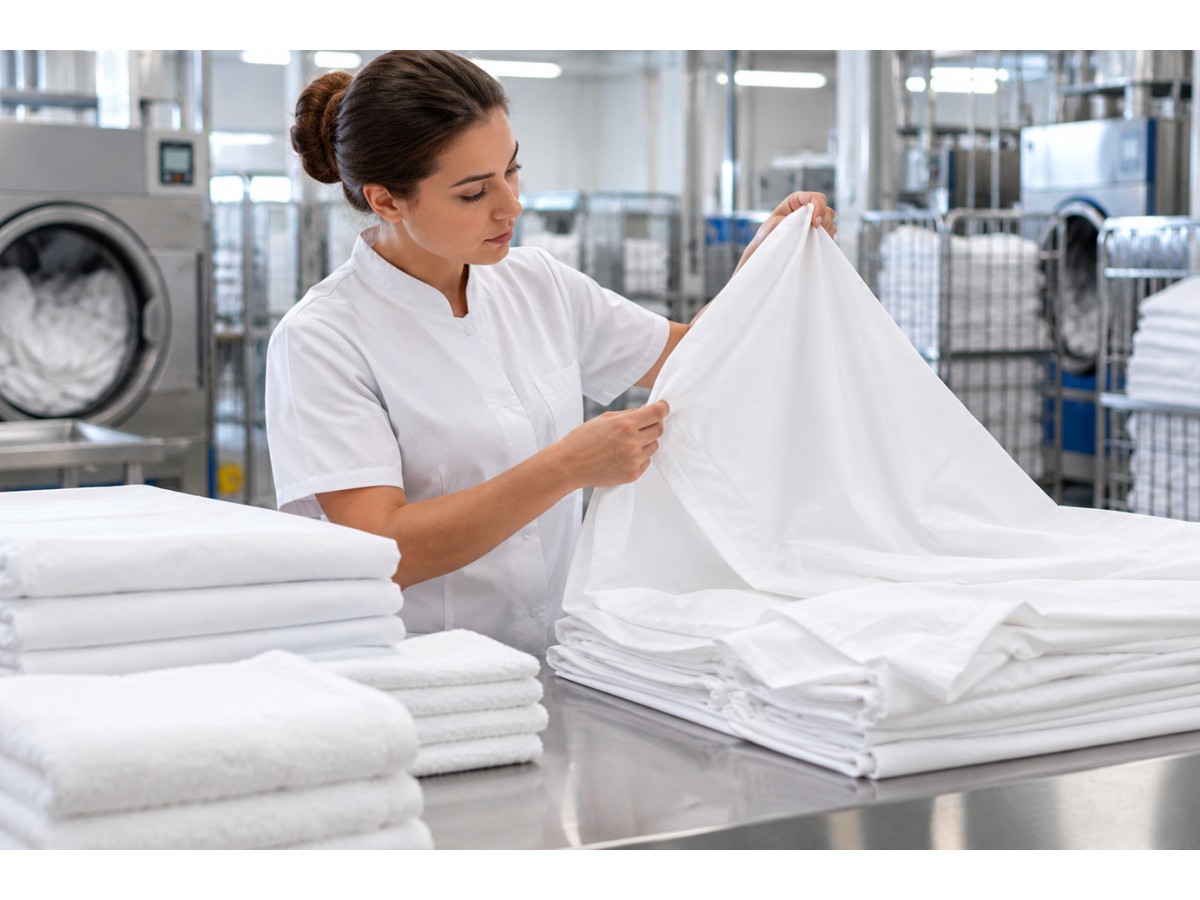
End-of-Cycle Linen Quality Control: A Form You Can Use
A batch may be marked as completed in the laundry system and still be unsuitable for delivery. A damp towel, a visible stain on a sheet or an unexpected crease can create rework and complaints. Rather than relying on a vague statement that the load “looks fine”, use a short, reproducible quality-check form linked to the batch . This article provides the form, a way of recording faults and an example of how to use the results.
Read more
Self-Service Laundry Signage: Instructions That Prevent Mistakes
In a self-service laundry, customers must navigate the process on their own: prepare their load, select equipment, understand payment, start the cycle and collect their items. One confusing instruction can produce repeated help requests or incorrect use. This guide is not a review of payment technology. It explains how to place clear messages at the points where customers actually need them .
Read more
Laundry Batch Scheduling: A Realistic Shift Example
A production schedule is not just a list of washing programmes. Between cycles, staff have to find trolleys, move textiles, perform checks, dry goods and sometimes finish and pack them. A schedule that excludes those steps will appear late even when every machine runs for its expected duration. The objective is a batch plan that respects shared resources and delivery deadlines , not a timetable that uses every theoretical minute.
Read more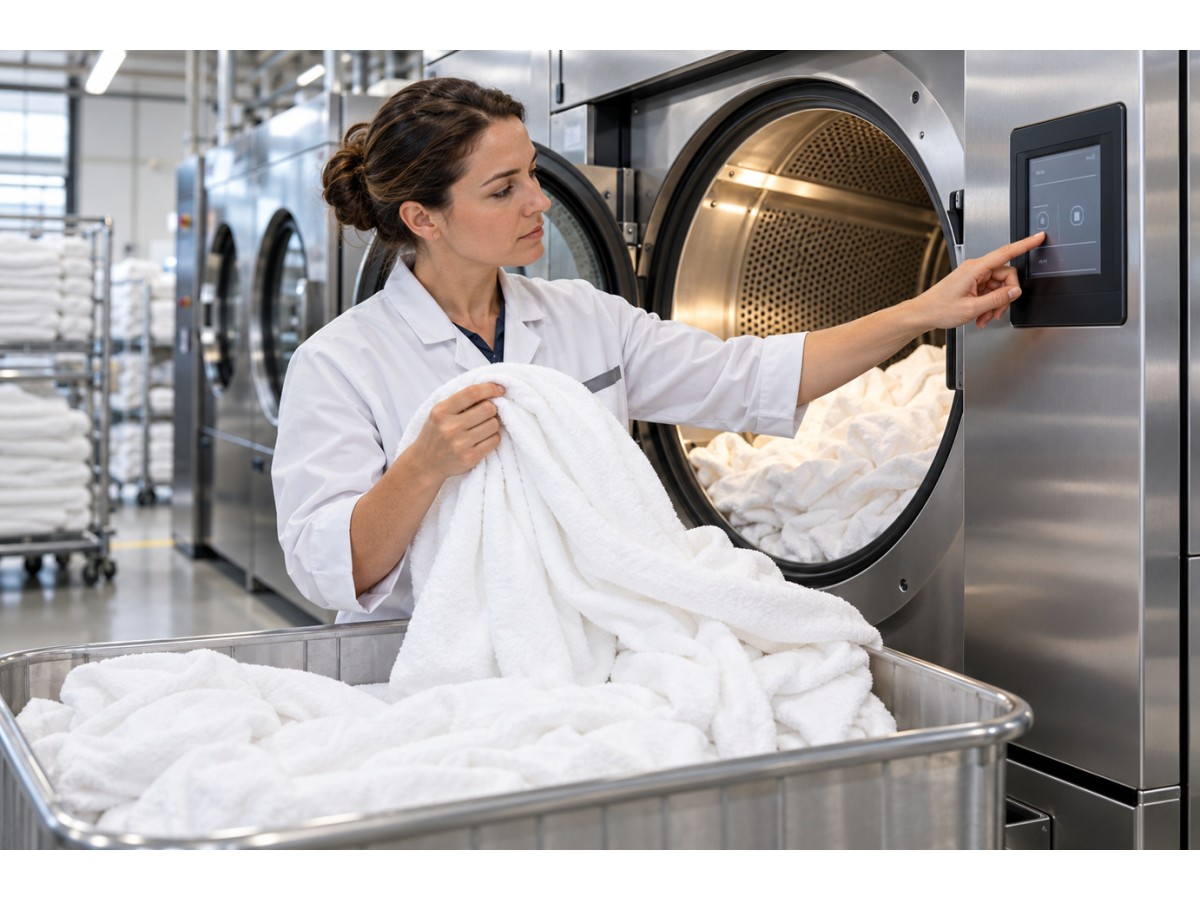
Laundry Ergonomics: Cutting Unnecessary Trolley Movements
A laundry can own suitable machines and still have a tiring workflow. Trolleys cross the same space repeatedly, textiles are put down and picked up without a clear need, and operators manoeuvre bulky loads around obstacles. Before rearranging equipment, map one batch's journey and count how often it is handled, moved or left waiting . Ergonomics is about safe, sustainable work as much as speed.
Read more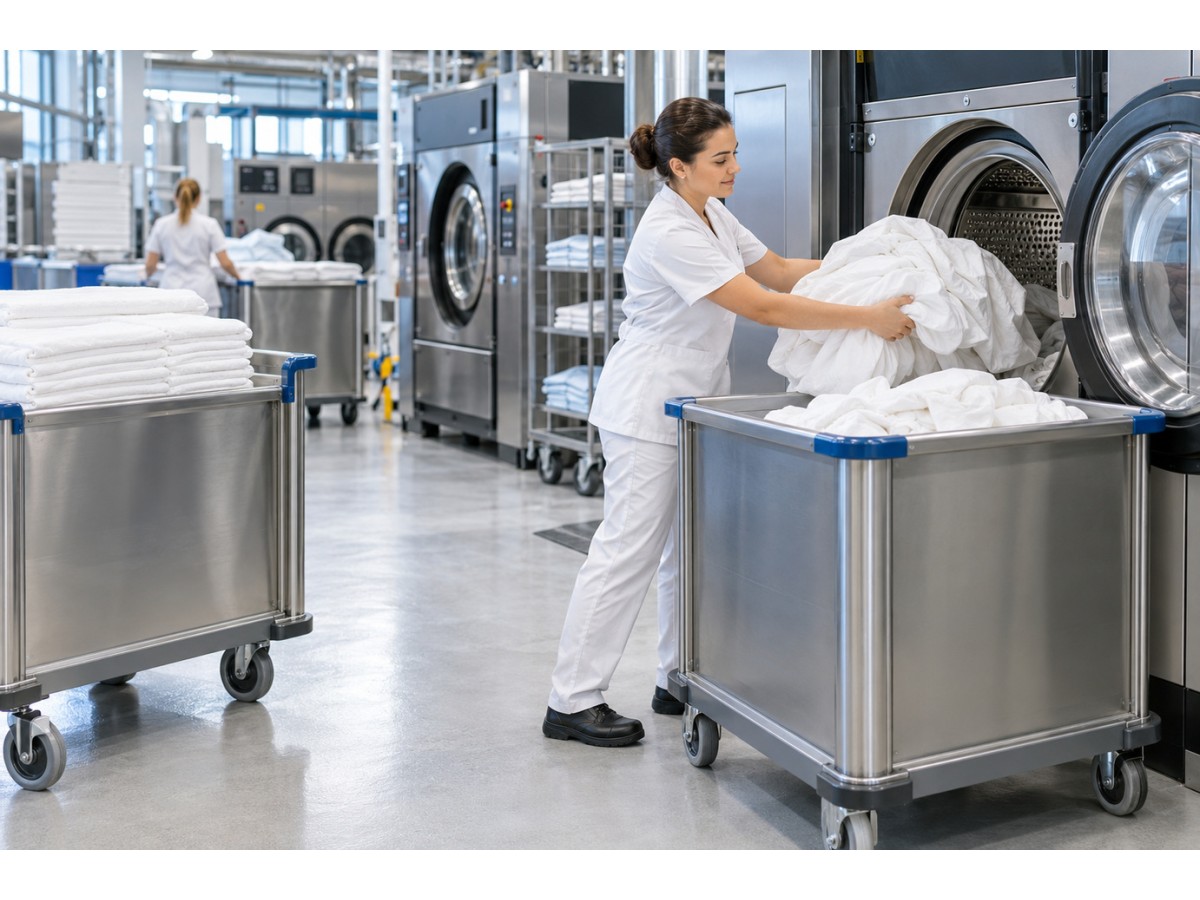
When to Review Dryer Programmes: Symptoms and Reliable Checks
A drying programme that worked six months ago may no longer suit today's loads. Textile suppliers, the proportion of terry items, extraction results and production volumes all change. Maintenance condition and batch preparation also affect the outcome. The first response should not be to raise temperature or extend every cycle. Start by identifying the symptom and collecting comparable operating data . Any permitted settings must remain within the machine and textile instructions.
Read more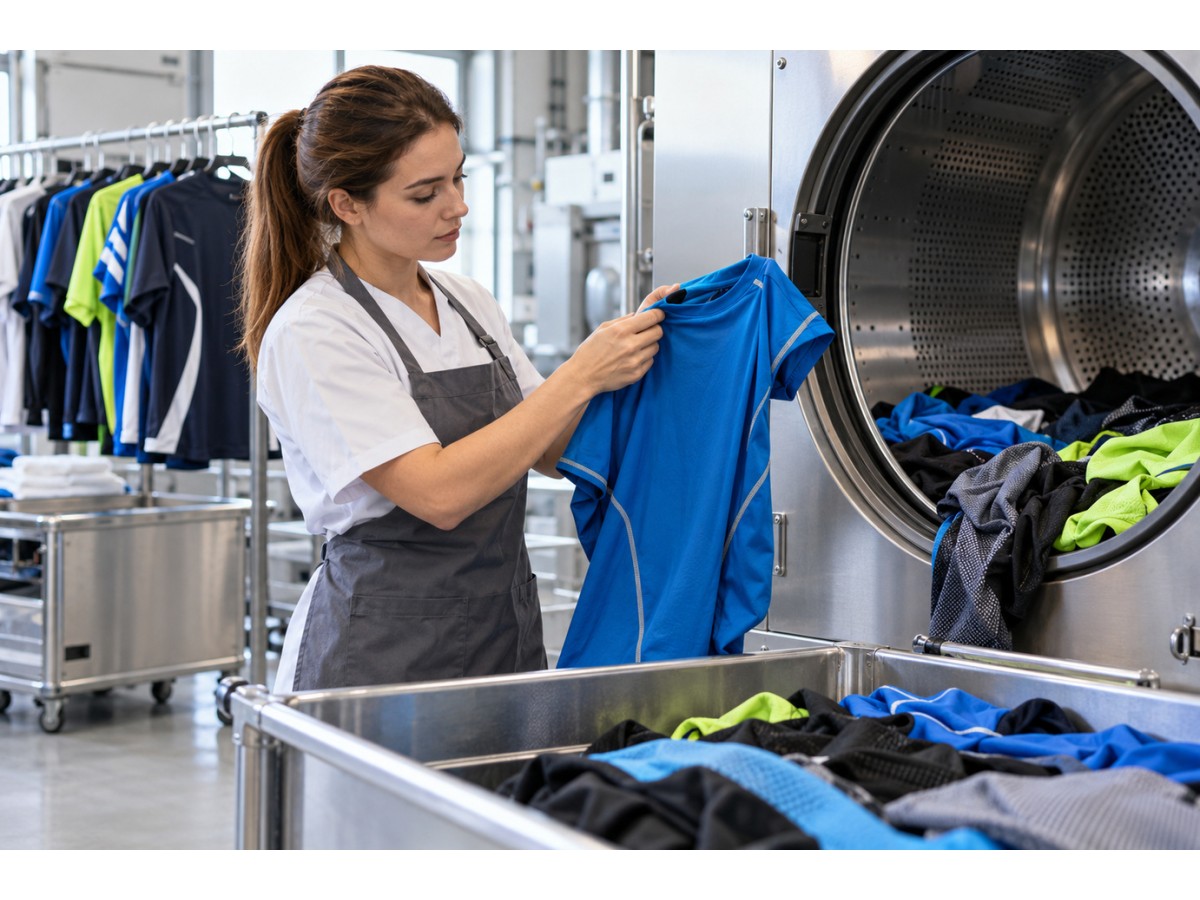
Drying Performance Sportswear: Avoiding Fabric Damage
Sports shirts, technical shorts and stretch garments do not behave like cotton towels. Synthetic fibres, prints, membranes and elastic inserts require a compatibility check before selecting a drying programme. A garment may feel dry yet have lost stretch or changed shape, while a shortened cycle may leave moisture in seams or pockets. This guide is for gyms, sports clubs and commercial laundries that process repeated batches without allowing pressure for speed to jeopardise garment care.
Read more
Heat and Working Conditions in Dryer Rooms: A Site Review
A hot and uncomfortable dryer room is more than an employee comfort issue: it can affect staffing, access to equipment and the operating environment. Heat originates from several sources, while airflow depends on dryer configuration and building services. Useful decisions require separating perceived heat, required replacement air and possible restrictions. This guide helps managers collect the information needed for a qualified assessment. It is not an instruction manual for changing exhaust, ventilation or utility connections.
Read more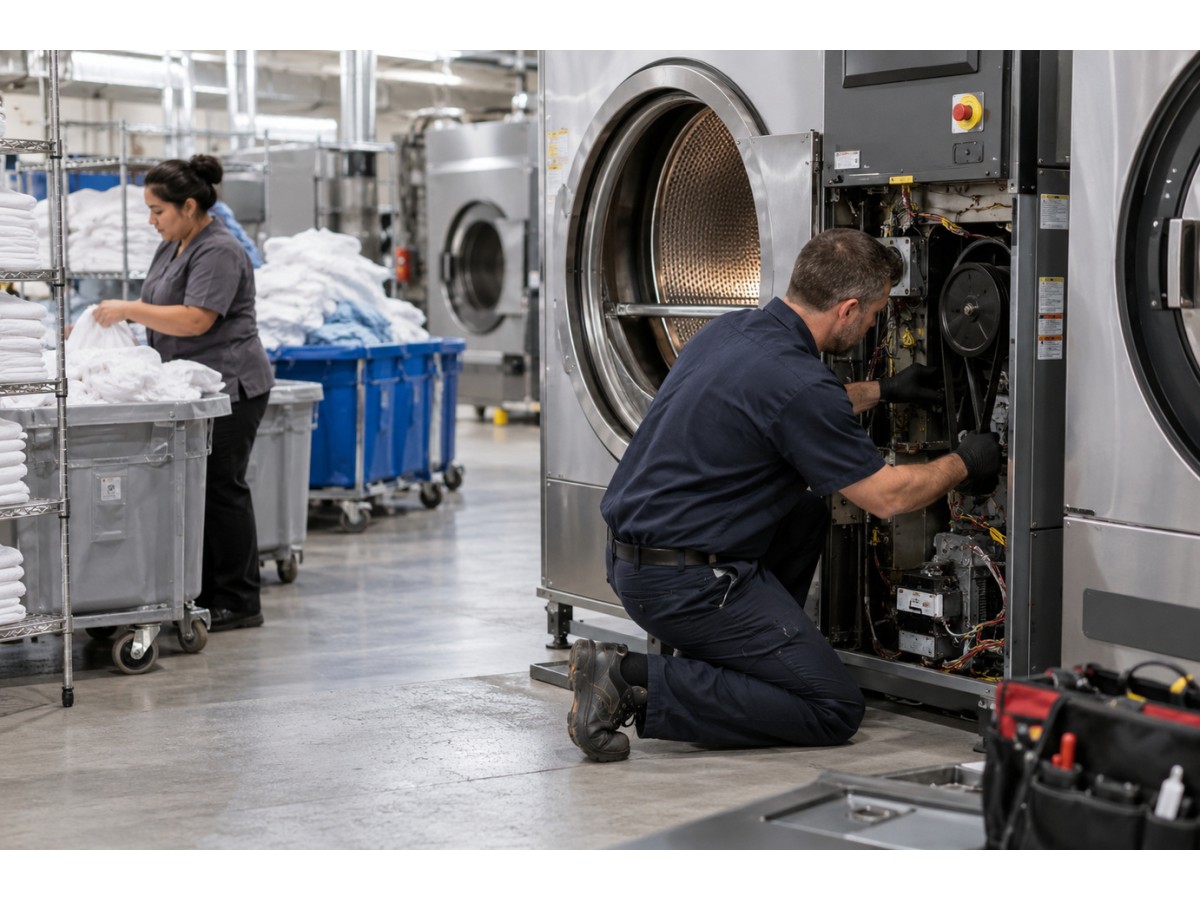
Dryer Downtime: A Laundry Continuity Plan
An unexpected industrial dryer shutdown can interrupt work well beyond the machine itself. Washed textiles wait, trolleys occupy space and customer deadlines approach. A continuity plan prepared in advance clarifies safety decisions, batch priority, customer communication and service escalation. It never means operating faulty equipment or bypassing a guard. The plan identifies which production tasks can be reorganised and which must stop until authorised repairs are complete.
Read more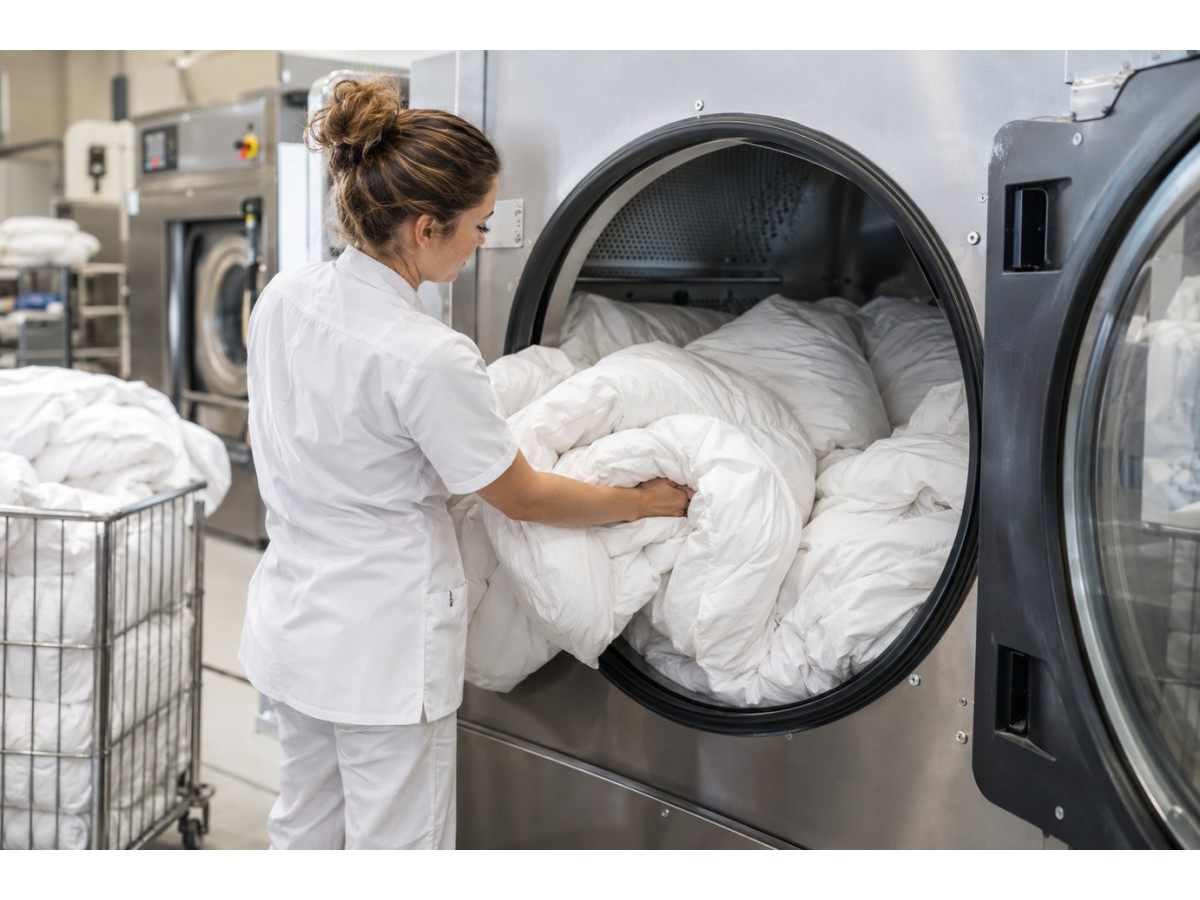
Duvets and Bulky Linen: Drying Checks Before Loading
Duvets, quilts and other bulky items create different challenges from flat linen. They can occupy most of a drum without weighing very much, retain moisture in interior areas and contain fills or shells unsuitable for particular drying methods. Safe decisions begin with the care label and supplier instructions, not external size alone. This guide provides a pre- and post-cycle checklist for laundries and hospitality services receiving varied bulky items.
Read more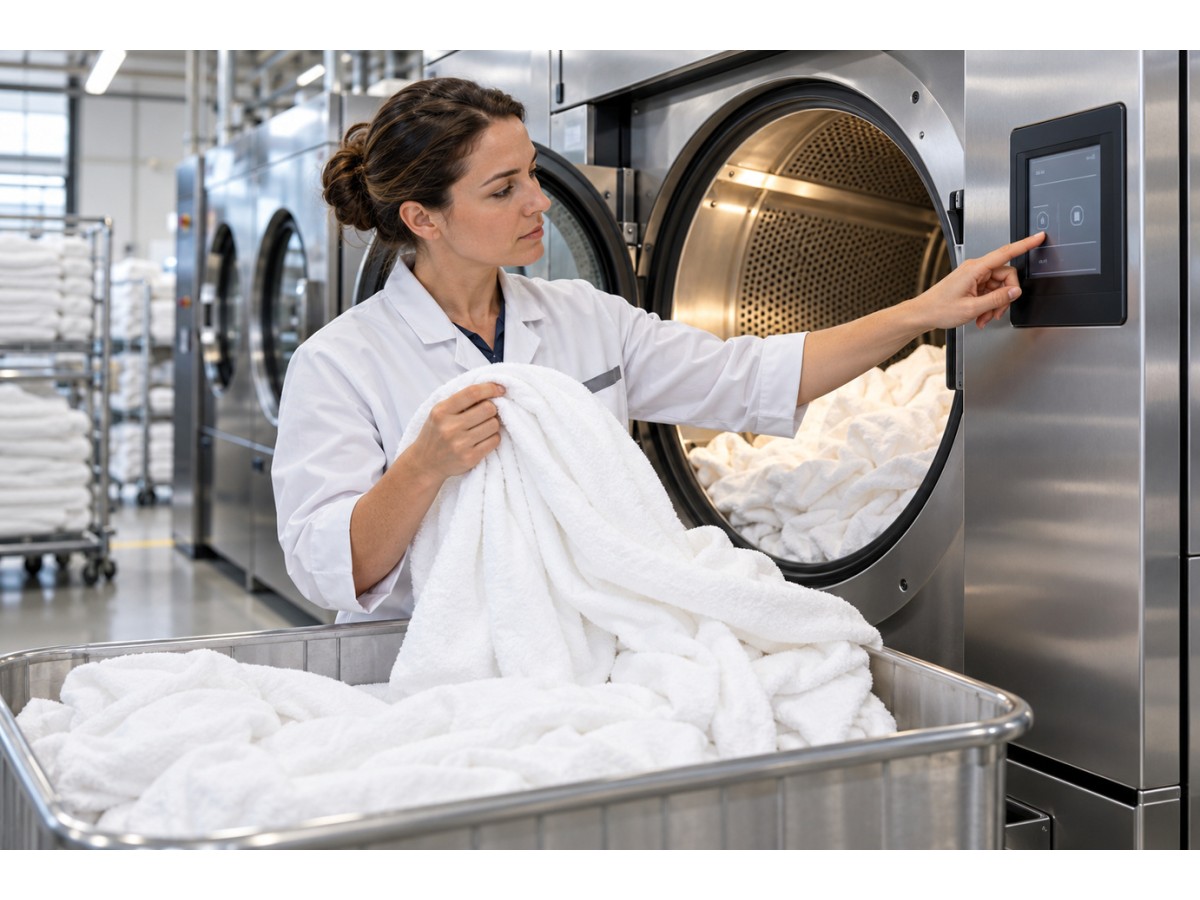
Steam-Heated Dryers: Site Information Before Planning
Steam-heated tumble drying may be worth evaluating when a laundry already operates suitable thermal infrastructure, but the presence of a steam line is not enough to establish compatibility. The project requires information about available steam, the operating limits of the particular dryer, condensate return, layout, service access and design responsibility. Machine variants differ and an 'optional steam' listing still requires technical and commercial confirmation. This guide helps managers prepare a meaningful supplier discussion; it is not an engineering design manual.
Read more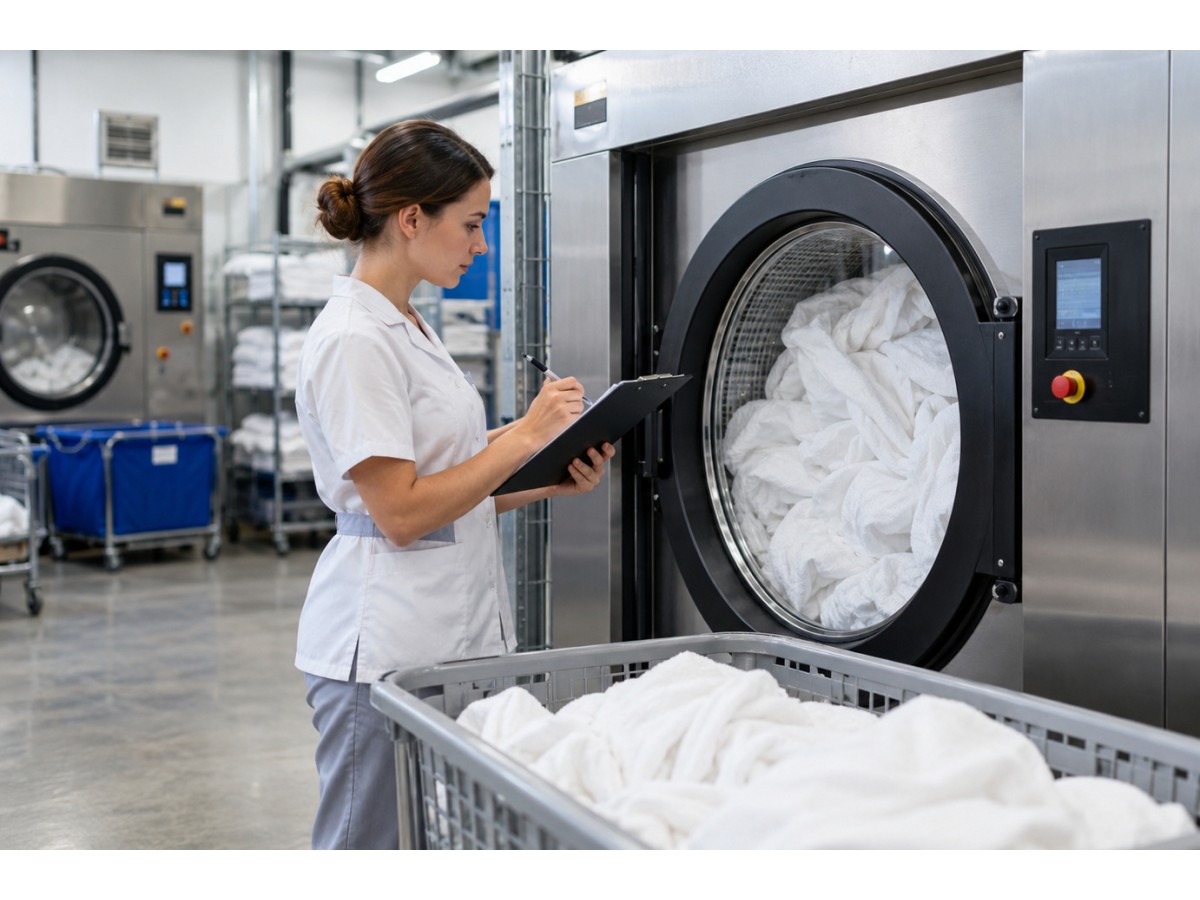
Dryer Energy per Kilogram: A Practical Measurement Method
Drying energy use cannot be assessed reliably by dividing a whole building's utility bill by its cycle count. The measurement boundary must be defined, the dry kilograms actually processed recorded and textile types kept distinct. Very wet towels and well-extracted flat linen represent different workloads. A kWh/kg figure can be useful when measured and described consistently, but it is not a universal performance score and does not allow fair comparisons across equipment with different energy inputs or measurement boundaries.
Read more
Drying Shift Handover: What the Next Team Needs
Many dryer-room problems start not during a programme but at the handover between shifts. An unlabelled trolley, a filter requiring inspection or a batch awaiting quality checks can become a problem for the incoming team. A handover should be short but complete, distinguish batch status from equipment condition and identify who owns outstanding actions. The purpose is not to create long paperwork; it is to prevent essential information from remaining solely in the departing operator's memory.
Read more
B&B Laundry: Planning Work on Checkout Days
Laundry in a bed and breakfast does not always arrive in a steady stream. Several guests may check out on the same morning while new arrivals expect ready rooms only hours later. Even a small property can underestimate the combined load of sheets, pillowcases, towels and supplementary linen. Planning should start from reservations and the actual linen required per room, not from immediately buying larger machinery. This guide sets out a practical process for concentrated check-out days.
Read more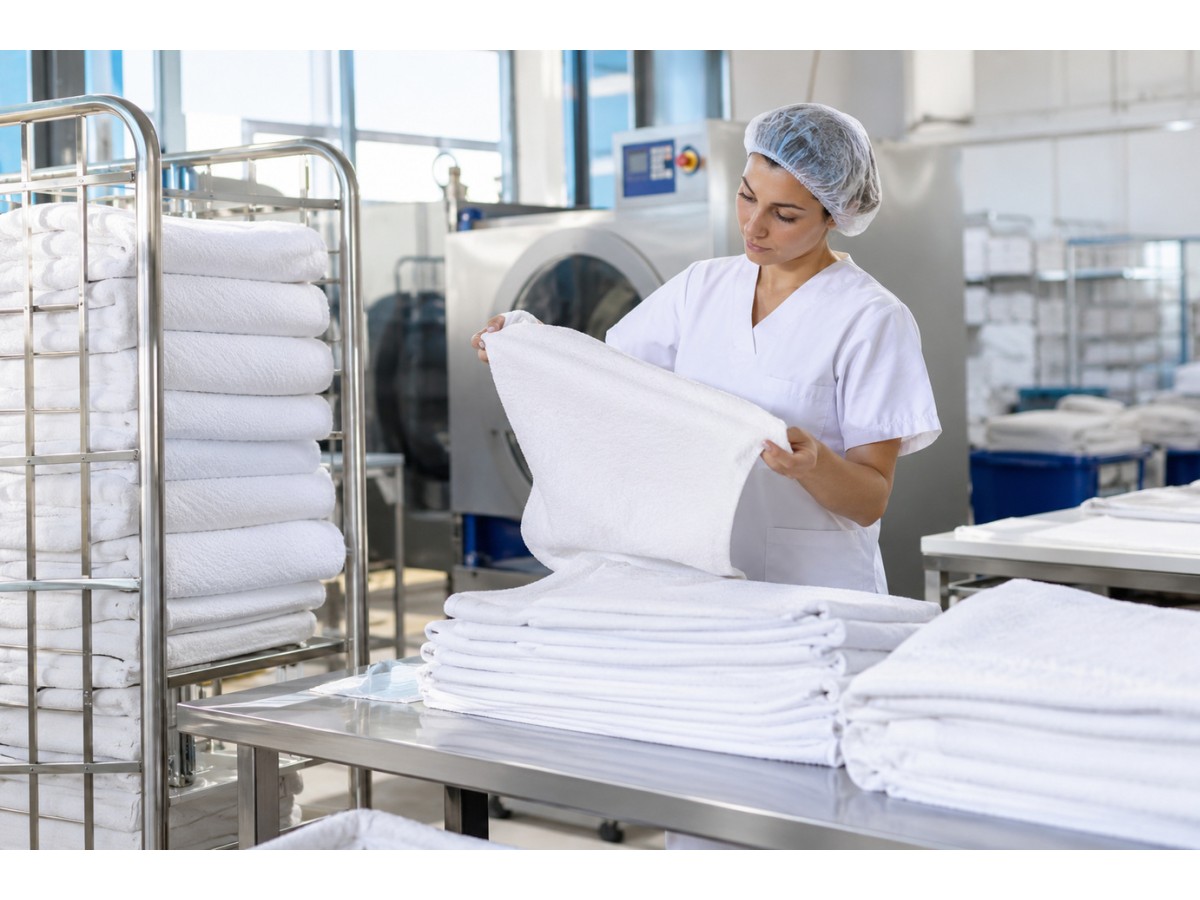
Dry Linen Before Packing: Preventing Moisture Return
A batch of sheets that leaves the dryer in acceptable condition can absorb moisture again while waiting in an uncontrolled area before packing. Later complaints may concern odour, cool feel, creases or apparent dampness, yet not every case means the drying programme was inadequate. Review waiting time, storage conditions, room environment and textile protection. This guide focuses on the handoff between drying and dispatch rather than on adjusting the cycle itself.
Read more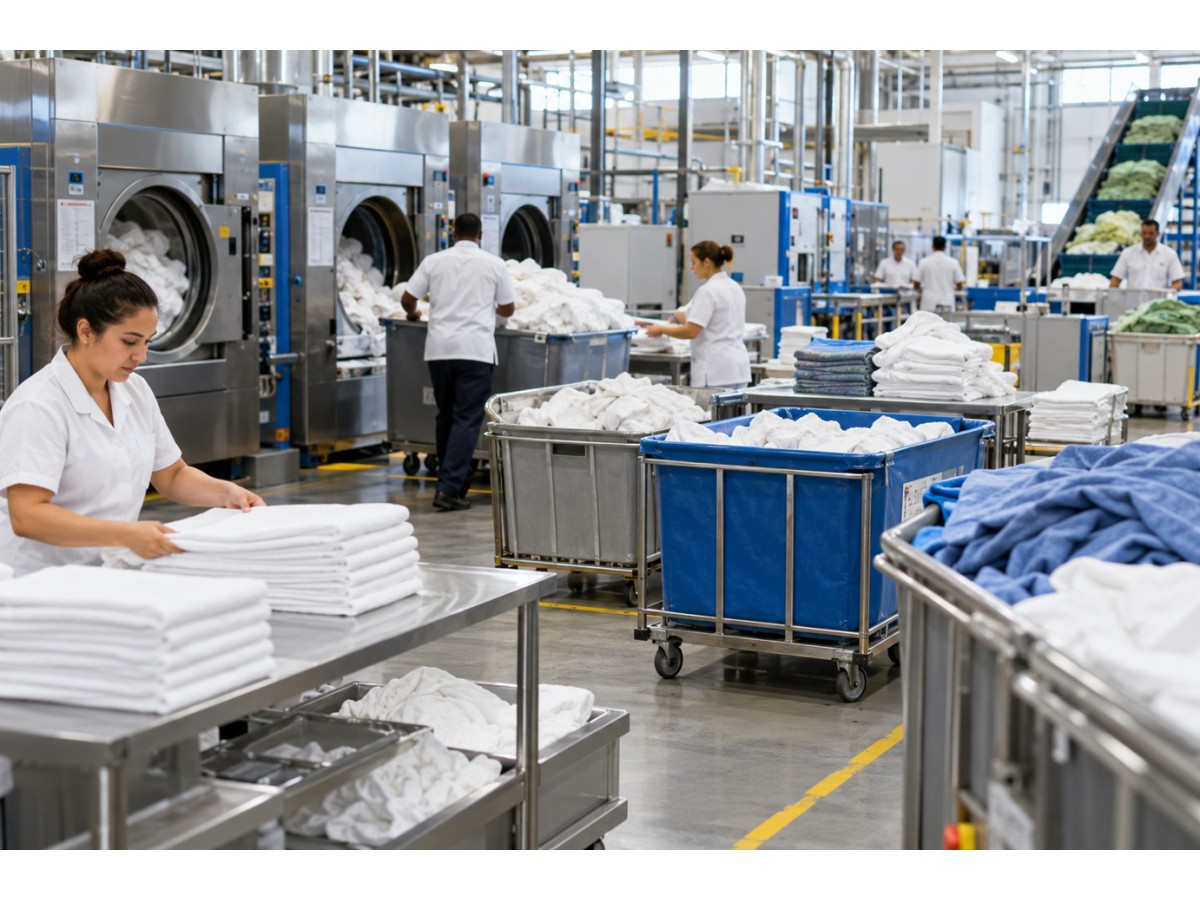
Seasonal Laundry Peaks: Forecasting Workload Demand
Seasonal peaks test a laundry operation more severely than annual averages. A hospitality property may process steady volumes for weeks, then experience intense pressure during holidays, events or clustered room changeovers. Demand forecasting means converting bookings, occupancy and linen-change policies into kilograms and batches, then comparing them with realistic shift capacity. Generic assumptions from another property are not reliable: towel sizes, change frequency and occupancy mix can materially alter the result.
Read more
Laundry Staff Training: A Skills Matrix That Works
Many costly laundry errors come not from poor intentions but from procedures that exist only in someone's memory. An experienced operator may select the correct programme yet struggle to explain why a textile must be separated. Instructions need to remain usable when shifts and team members change. A skills matrix links each task to training, practical demonstration and any specific authorisation required. It is not a league table of employees. It identifies where supervised development is needed before an absence or workload spike becomes downtime or rework.
Read more
Laundry Operations Launch: A 30-Day Trial Plan
The first month of a new laundry operation is where technical commissioning meets real daily work. Machines may be correctly installed while the team still develops queues, loses track of batches or depends on one person who understands programme selection. Operational acceptance does not replace technical commissioning by qualified professionals. It checks how staff, workflow, equipment and records function together. A structured thirty-day review with clear evidence is more informative than saying that the installation 'seems to work'.
Read more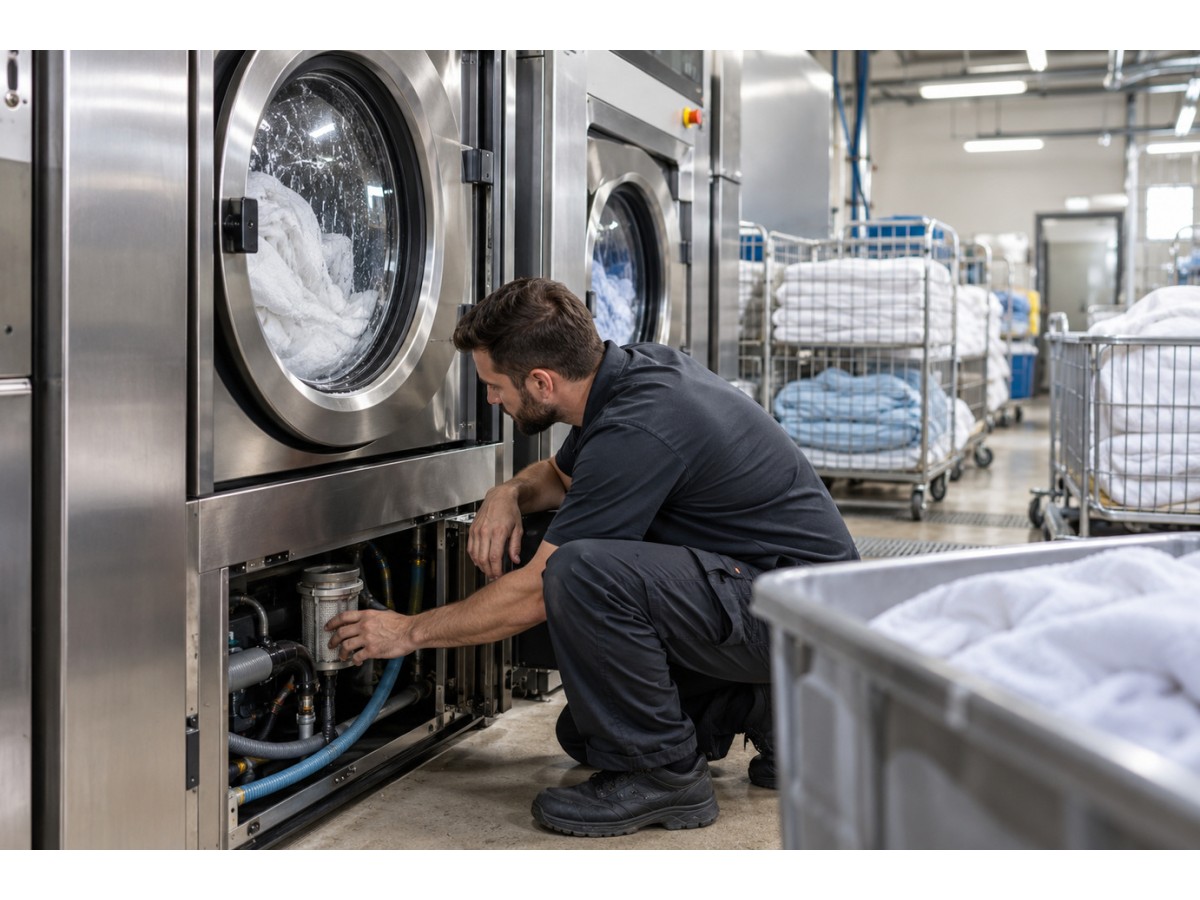
Why Commercial Wash Cycles Run Long: What to Check
A washing programme that takes substantially longer than expected does not automatically indicate a broken machine. The displayed duration may include filling, heating, load balancing, draining and extraction. Each stage can be affected by operating conditions and the load being processed. First determine whether the delay occurs on every cycle, on one programme or only with a particular textile type. Recording stage-by-stage time separates workflow delays from normal machine behaviour and possible faults. It does not require opening equipment or manipulating internal parts; technical diagnosis belongs to authorised personnel.
Read more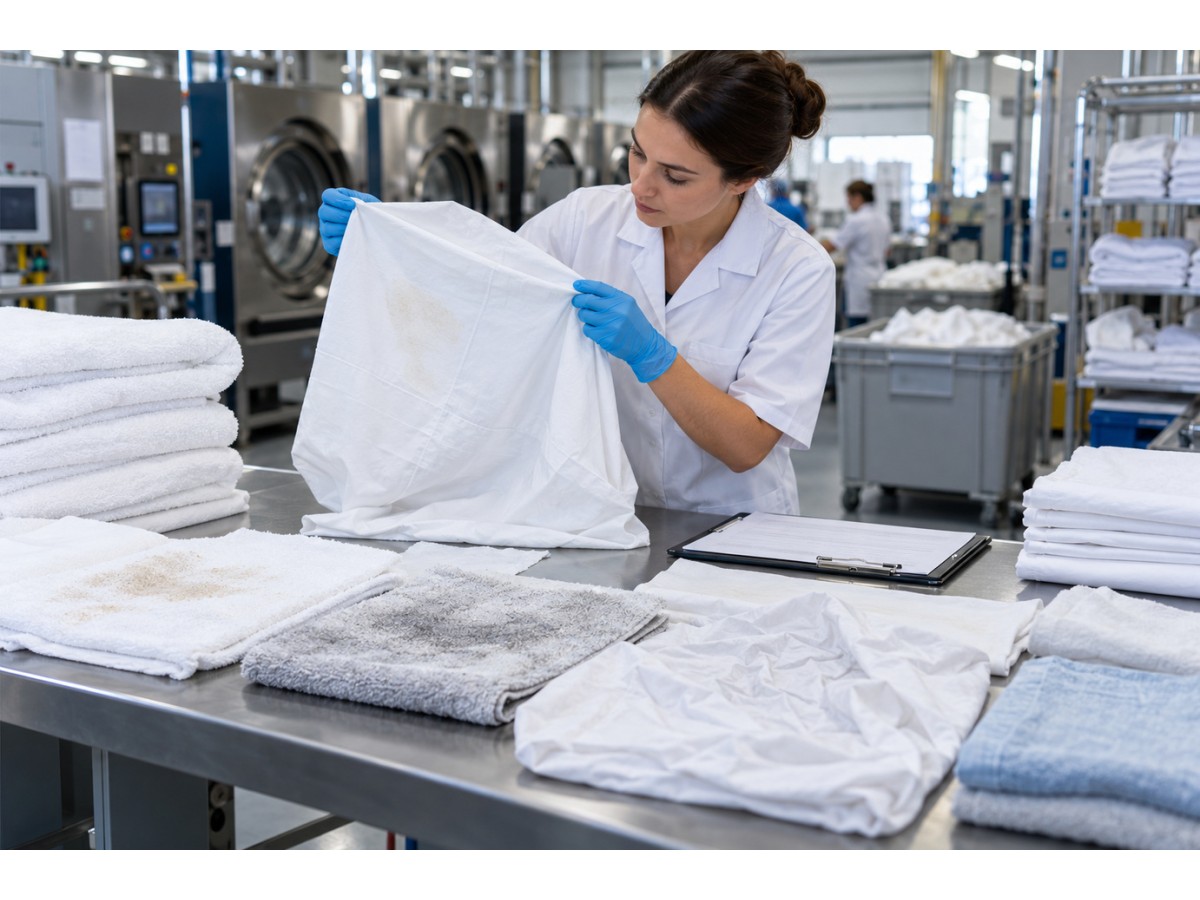
Recurring Washing Defects: Build a Root-Cause Log
When a commercial laundry receives repeated complaints about the same problem, simply rewashing the batch rarely reveals the underlying cause. A mark on a tablecloth, greyed whites and detergent residue are different failure modes. Pretreatment, load preparation, programme selection, water conditions and finishing may all play a part. A short defect log should preserve the batch identity and distinguish what was observed from what someone suspects. The goal is not to blame an operator. It is to recognise patterns, change one relevant factor at a time and verify the result against a comparable batch.
Read more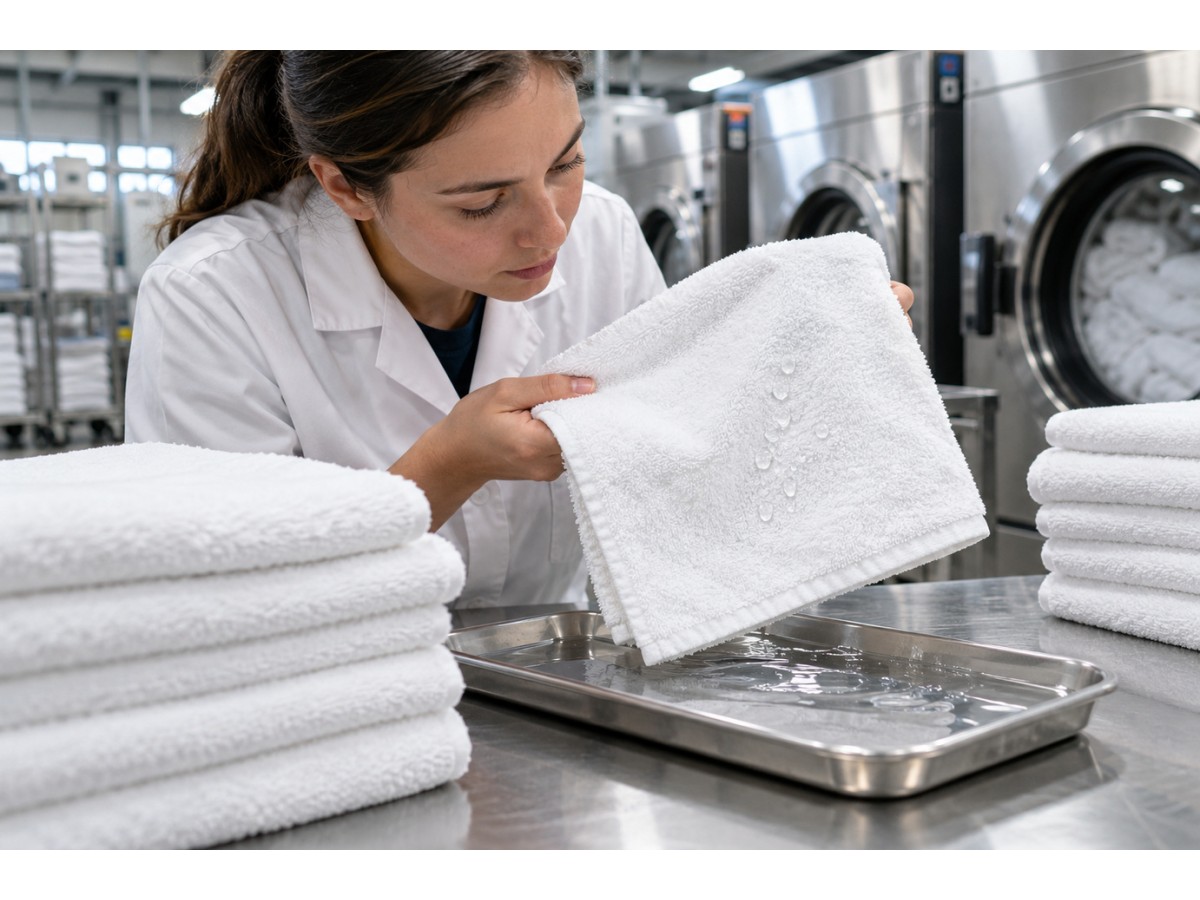
Towels Losing Absorbency: Checks After Repeated Washing
When towels in a hotel, gym or spa feel pleasantly soft but appear to absorb less water, age is not necessarily the only cause. Fibre composition, finishing treatments, residues from products, rinsing conditions and the way towels are used may all contribute. Customer perception matters, but it does not establish a technical diagnosis. A professional laundry can turn the complaint “these towels no longer dry properly” into a repeatable investigation rather than assuming that every loss of performance can be reversed by changing a programme.
Read more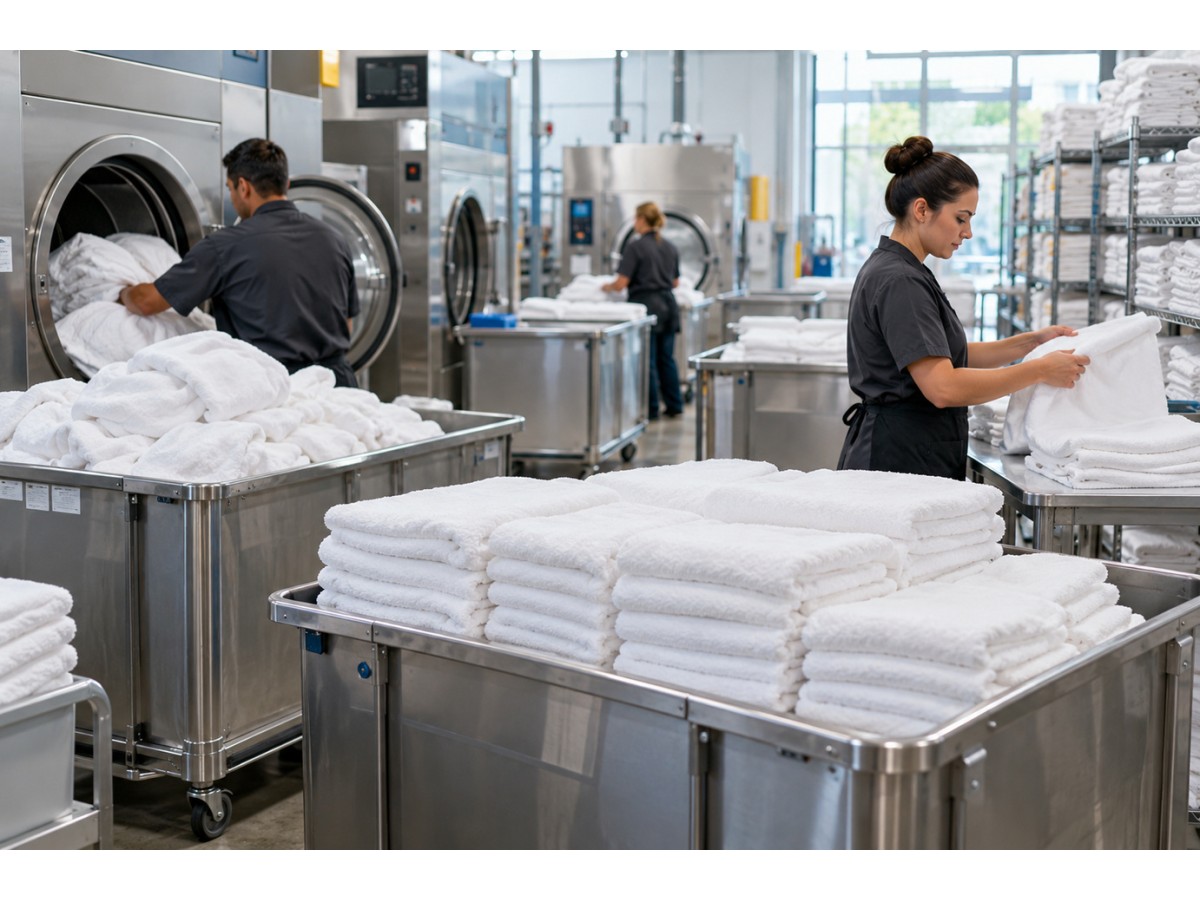
Gym and Spa Laundry: Organising the Towel Turnover
At a gym or spa, towels may return in waves: when fitness classes finish, changing rooms empty or treatment cabins close for the day. The challenge is not just washing them. Clean towels must be available exactly when customers need them. Damp storage, disorganised collection and long waiting times can cause shortages even when the laundry owns enough machines. A useful plan therefore begins with peak-hour demand and distinguishes towels currently in use, towels awaiting processing and towels genuinely ready to hand out.
Read more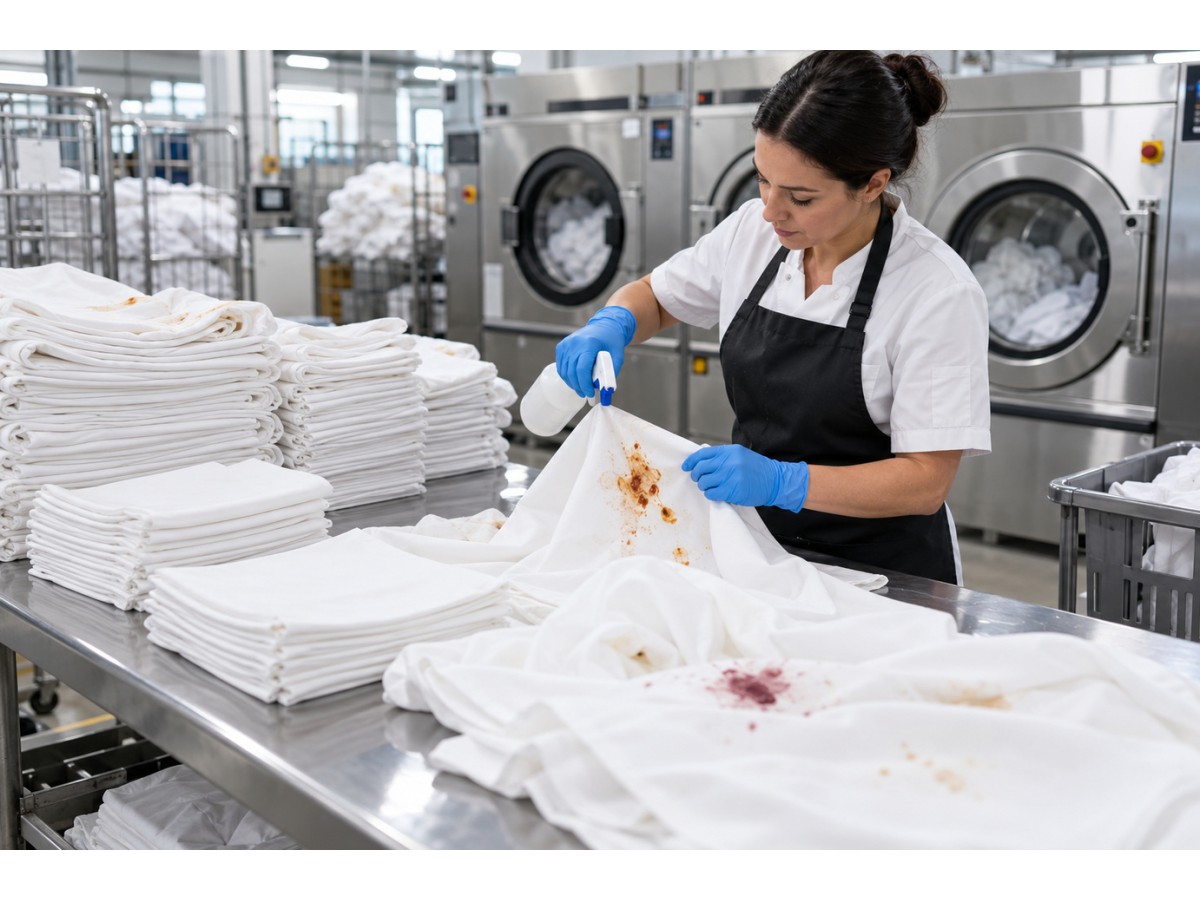
Restaurant Table Linen: Managing Stains Before Washing
A tablecloth that leaves the washer with a visible sauce stain does not automatically prove that the programme was too weak. The problem may have begun many hours earlier, when staff cleared tables, mixed textiles and failed to identify the type of soil. Restaurant and catering linen commonly contains combinations of oils, drinks, coloured foods and dried-on residues. A repeatable treatment process starts with collection and classification, not with indiscriminately raising the temperature or detergent dose.
Read more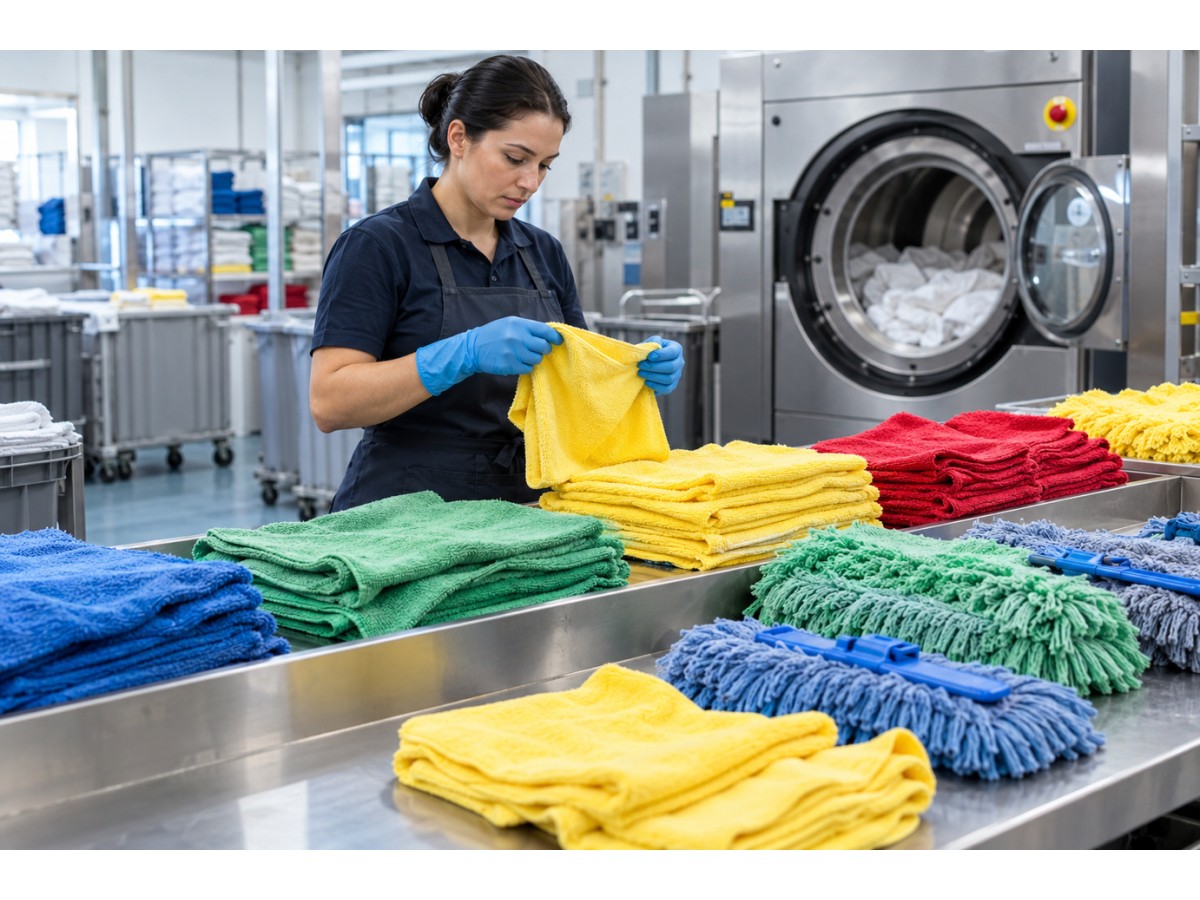
Microfibre Cloths: Washing Protocol for Cleaning Contractors
Microfibre cloths used by professional cleaning contractors are not ordinary rags that can be combined in any laundry batch. Depending on the site, they may collect dust, grease, chemical residues and contamination of very different kinds. An unsuitable laundering process can affect their cleaning performance and may move dirt from one working area to another. The correct process begins with the cloth's purpose, its manufacturer's care guidance and the customer's site requirements, rather than with a temperature chosen out of habit. The following method helps build a traceable process.
Read more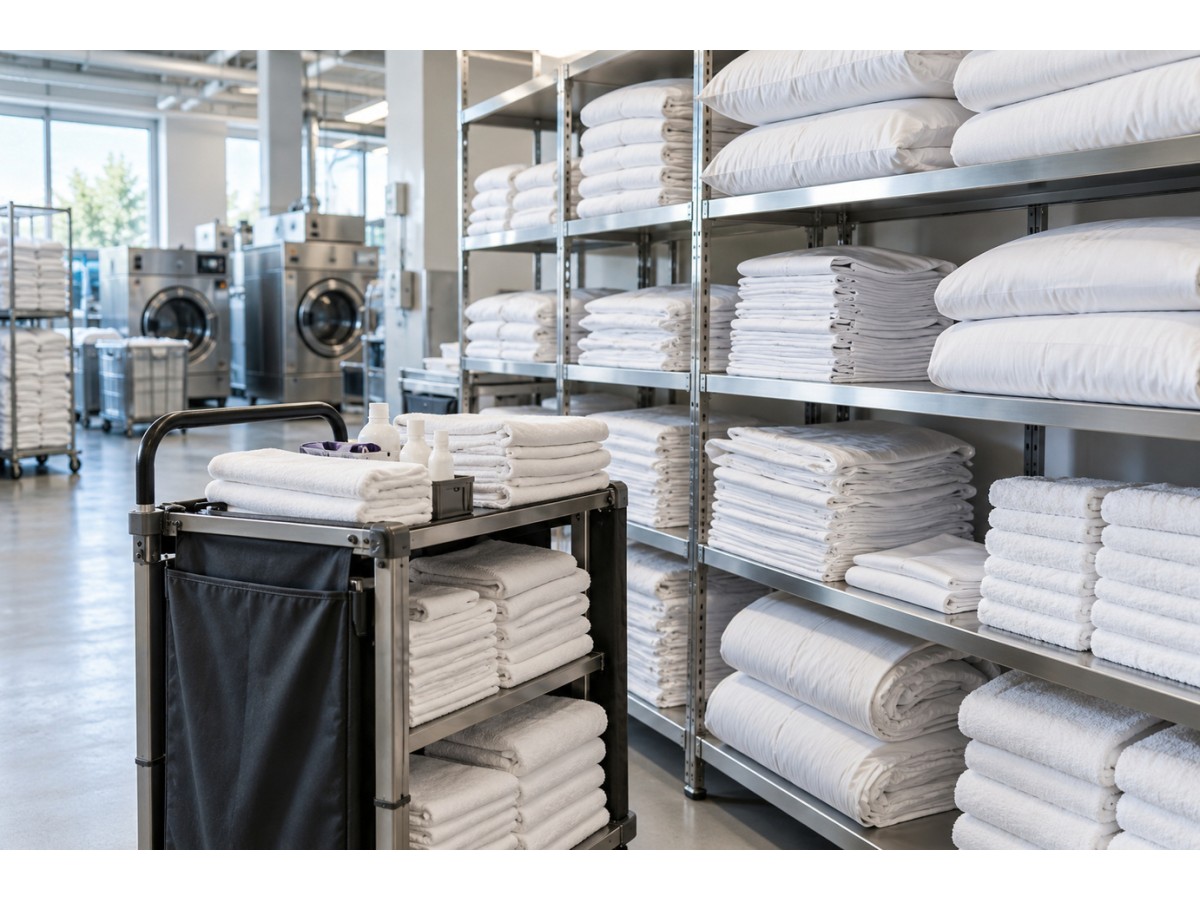
Hotel Linen Par Stock: Calculate a Practical Inventory
In a hotel, linen is not simply stock on a shelf. It moves continuously among occupied rooms, housekeeping trolleys, collection points, the laundry, quality checks and floor cupboards. A store that appears well supplied can suddenly run short when several groups check out on the same morning and a delivery is late. A linen par calculation helps translate this uncertainty into quantities that staff can verify. There is no universal par multiplier: the right number depends on the property's actual turnaround time and peak demand.
Read more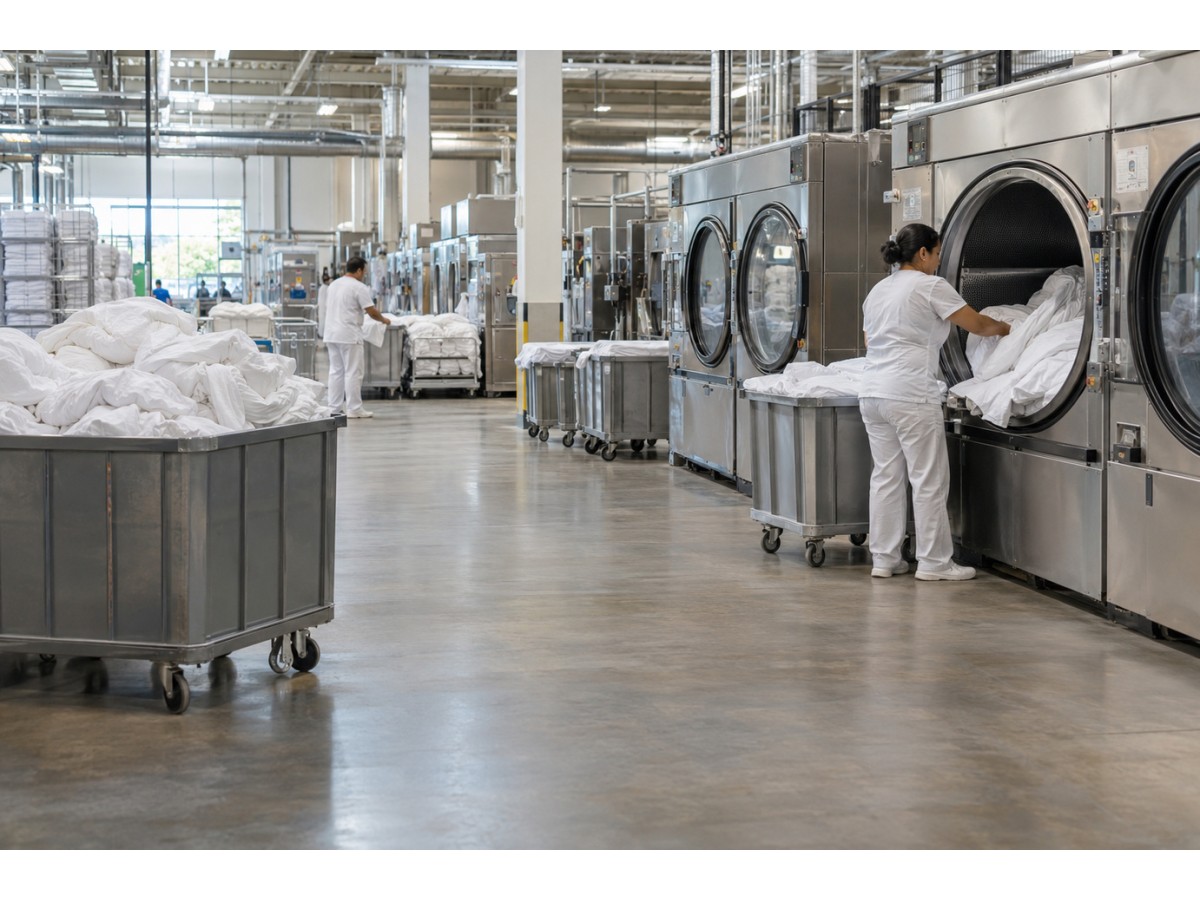
Large Drying Loads: Designing Safe Loading Access
A large industrial dryer needs more than a clear rectangle of floor in front of its door. Accessibility covers trolley routes, door swing, loading height and reach, textile handling, maintenance clearances and the ability to work without blocking routes. Selecting equipment based only on drum capacity can create a department that looks productive on paper but slows and strains operators in practice. This guide helps prepare an operational layout for discussion with designers, safety staff and equipment suppliers.
Read more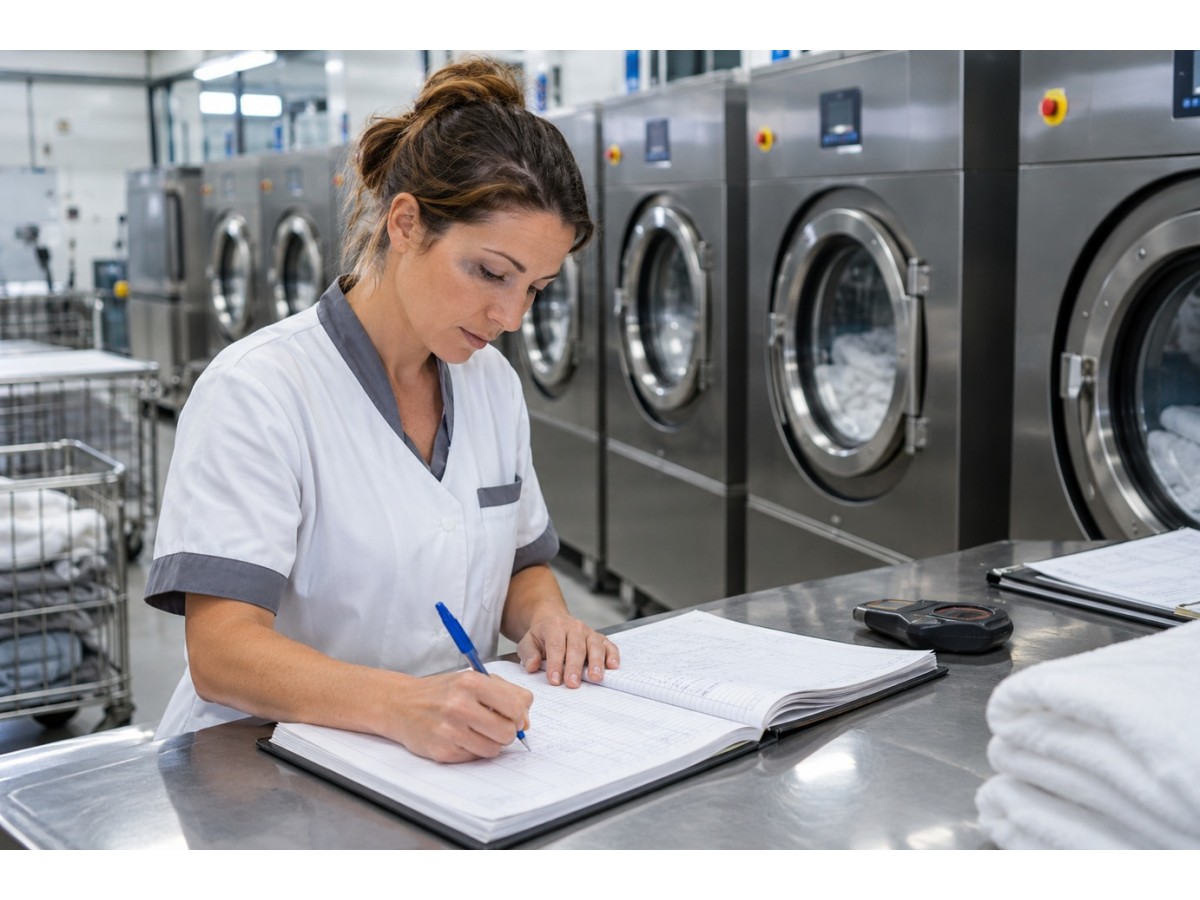
Laundry Equipment Logbook: Hours, Faults and Service Visits
An equipment logbook is valuable only when it helps a laundry team understand what happened between one shift and the next. A note reading “machine not working properly” gives very little information to the supervisor arranging service or deciding whether an appliance is ready for…
Read more
Before Installation: Coordinate Laundry Building Works and Machines
Before an industrial washer arrives at the site, several parties must agree how it will enter, which services will be available and how it will be operated and maintained. Designers, installation contractors, equipment suppliers and laundry managers often focus on different concerns:…
Read more
Laundry Equipment Quote: One Matrix for Machines and Utilities
One industrial laundry quotation may seem cheaper than another simply because it includes fewer services or assumptions. Machines with superficially similar capacities, utility works left to the buyer, transportation, after-sales support and operator training cannot be compared as…
Read more
Laundromat Payment Accepted but No Cycle: Customer Support
A coin-laundry customer reports that payment was accepted but the washing machine did not start. Within minutes, one local problem can become a complaint, a disputed refund and an unavailable unit for other visitors. The correct response is not automatically to ask for a second…
Read more
Tokens and Cashless Payments: Reconcile Laundromat Revenue
In a coin-operated laundry, takings are not always identical to the number of completed cycles the owner can see. Transactions may be cancelled, refunded or credited, and faults can create differences between payment events and actual machine starts. When tokens and digital payments…
Read more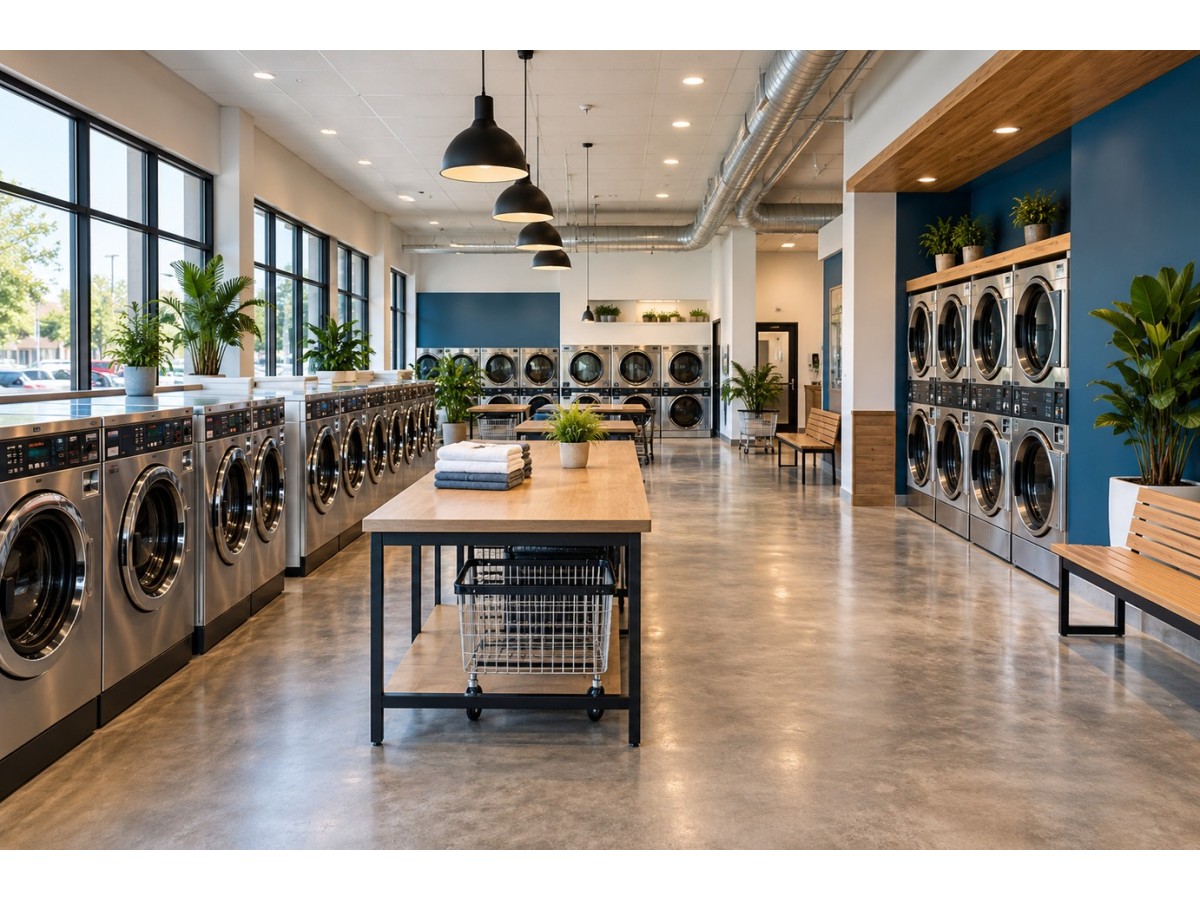
Self-Service Laundromat: Design the Customer Journey
A self-service laundry customer should be able to enter, identify the right machine, move with a basket, dry and fold clothes without obstructing others. A store equipped with excellent washers can still generate delays if movement is confusing or an open drum door blocks the main…
Read more
Self-Service Laundry: Measure Queues and Busy Hours
A self-service laundry may look quiet for most of the week and still have every machine occupied during two crucial hours. To decide whether another washer is justified, measure actual demand instead of relying on impressions. Queue analysis separates the time a machine is running…
Read more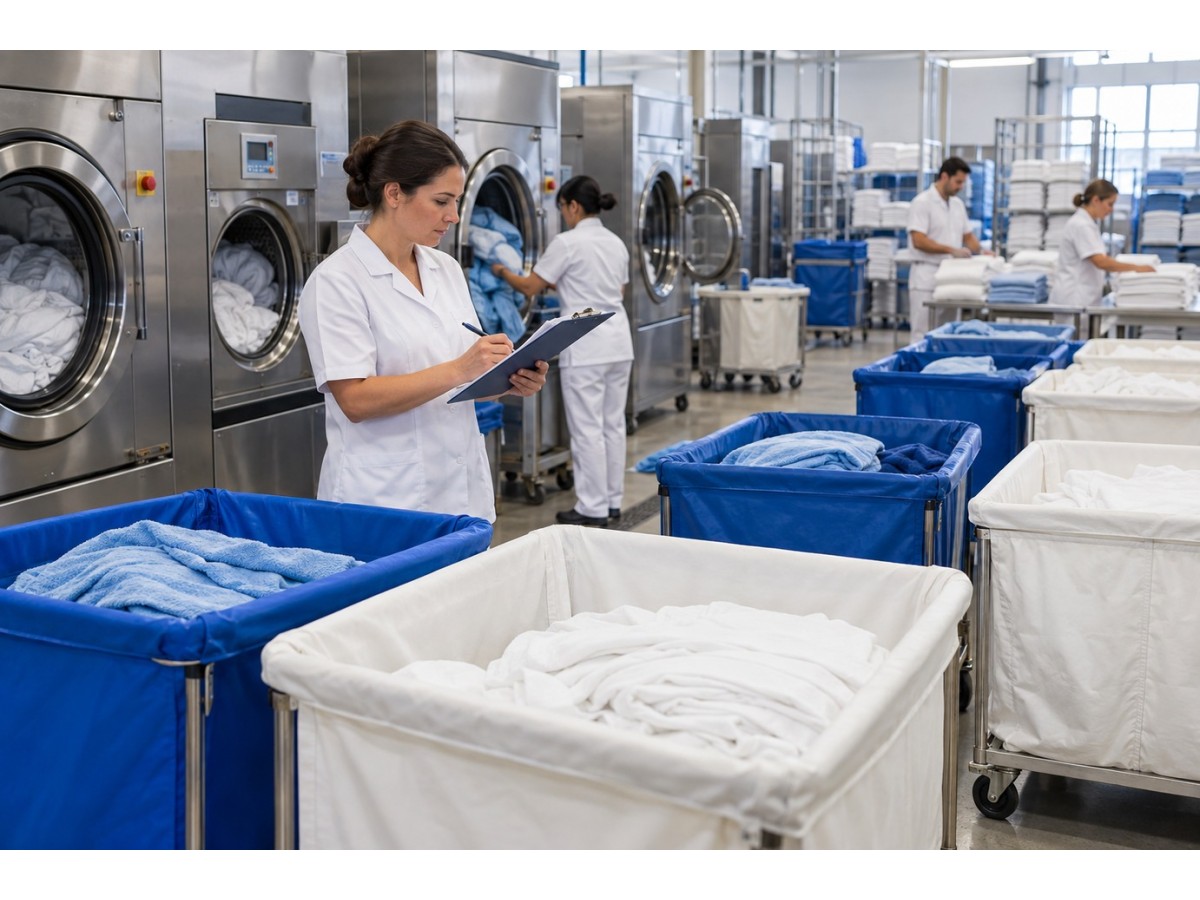
Multi-Client Laundries: Managing 18–30 kg Wash Batches
A contract laundry serving hotels, restaurants and other organisations cannot treat every incoming kilogram as one interchangeable stream. Each customer has different textiles, instructions and delivery commitments. Industrial washers in the 18–30 kg range may form part of the…
Read more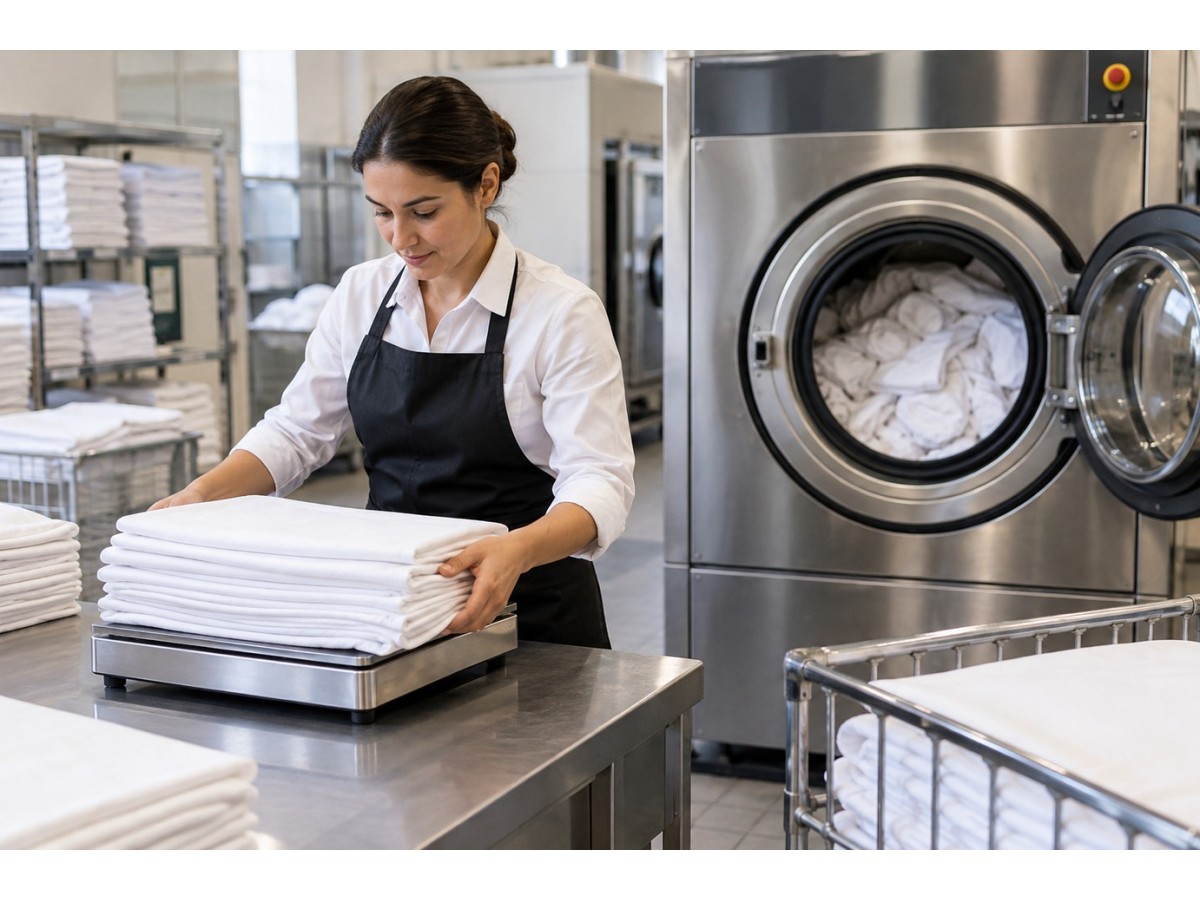
Restaurant Table Linen: Plan 18–20 kg Washing Loads
A laundry serving one or several restaurants has to return table linen on time, not merely finish a certain number of wash programmes. Banquets and double sittings can concentrate demand into a few hours. To evaluate an 18–20 kg industrial washer, start with what was actually…
Read more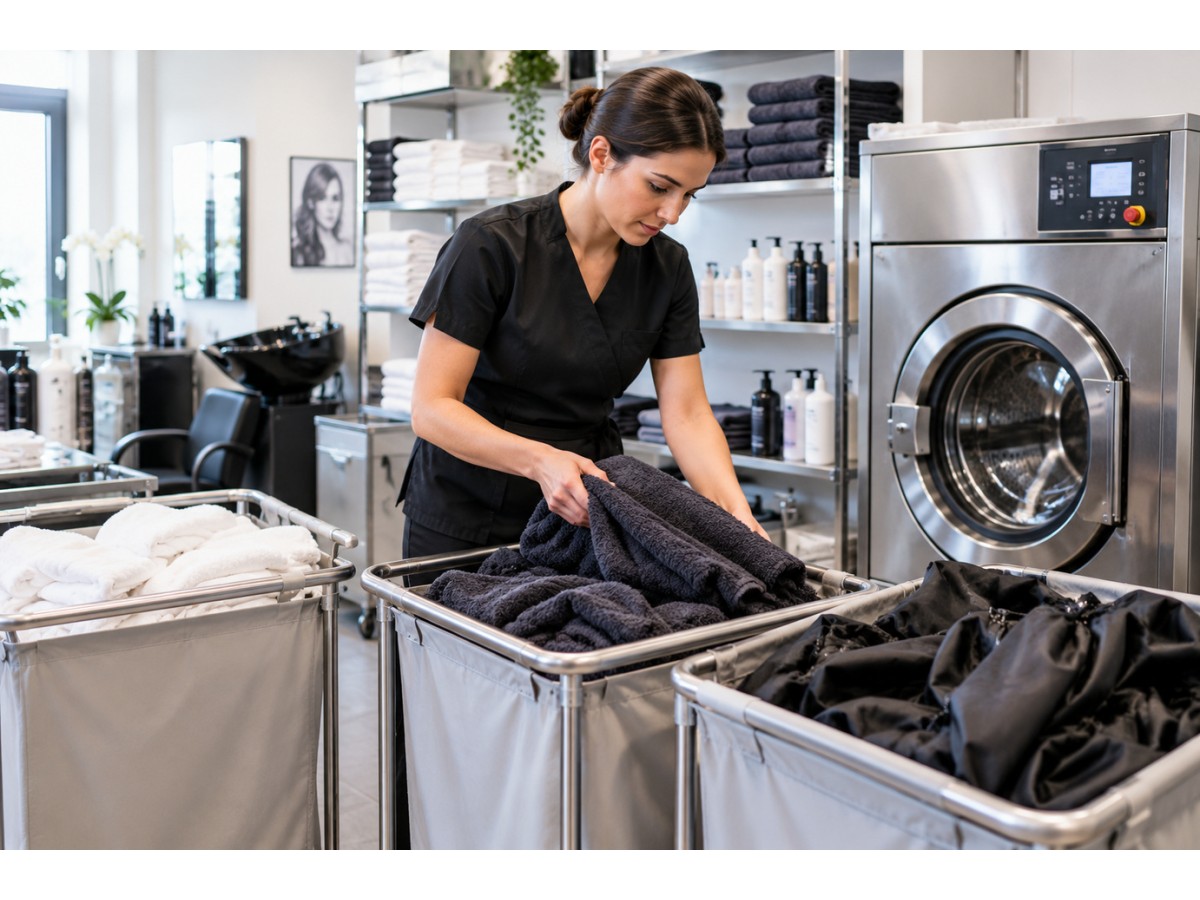
Salon and Beauty Studio Laundry: Organise 10–15 kg Loads
A hair salon or beauty studio creates small streams of laundry throughout the day: towels from shampoo stations and treatments, washable capes, spa textiles and cloths used for different tasks. Combining every item in one large load may look efficient, but it can cause colour,…
Read more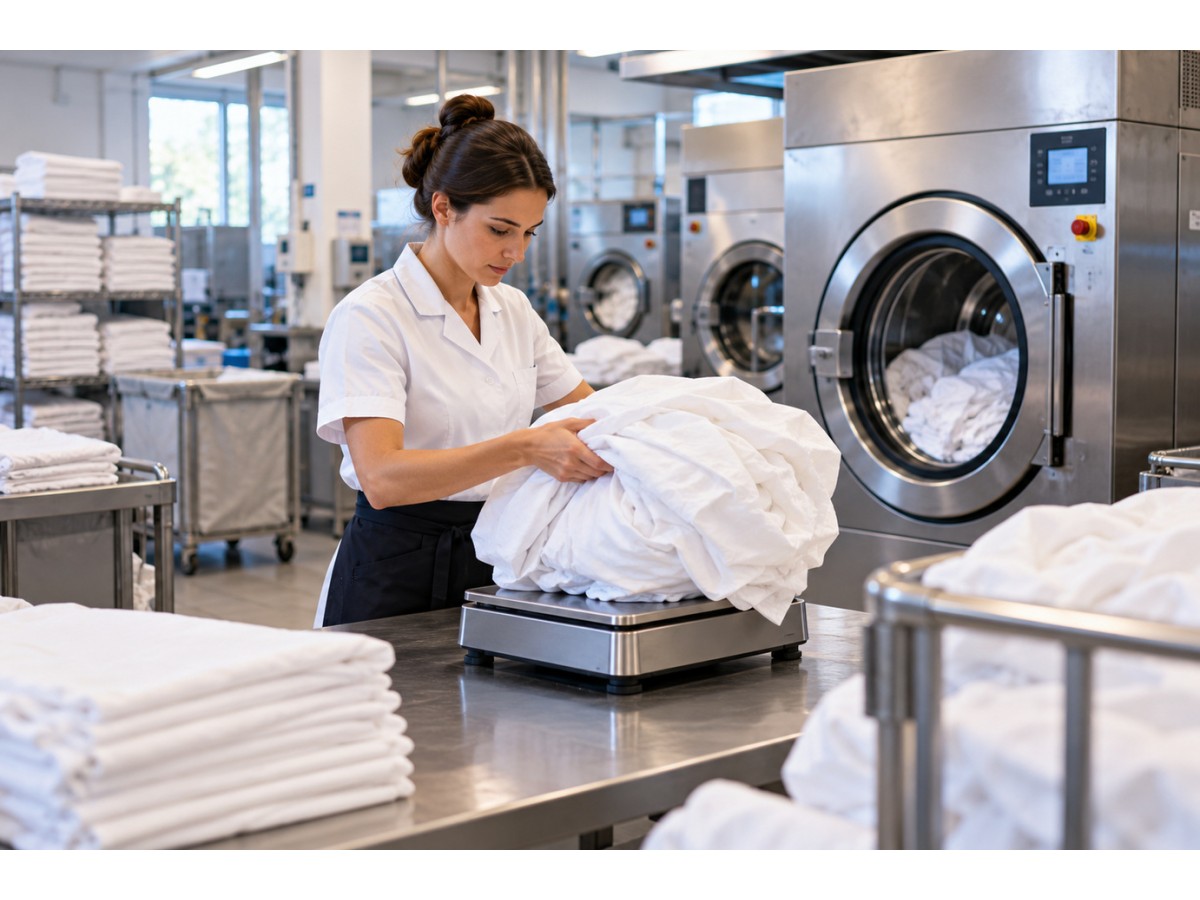
10–15 kg Washer for Small Hotels: Plan Daily Batches
In a small hotel, selecting a commercial washer is not a matter of dividing the room count by the capacity printed in a catalogue. Sheets, pillowcases and towels reach the laundry at different times, while a weekend checkout may produce a workload that is not visible in the weekly…
Read more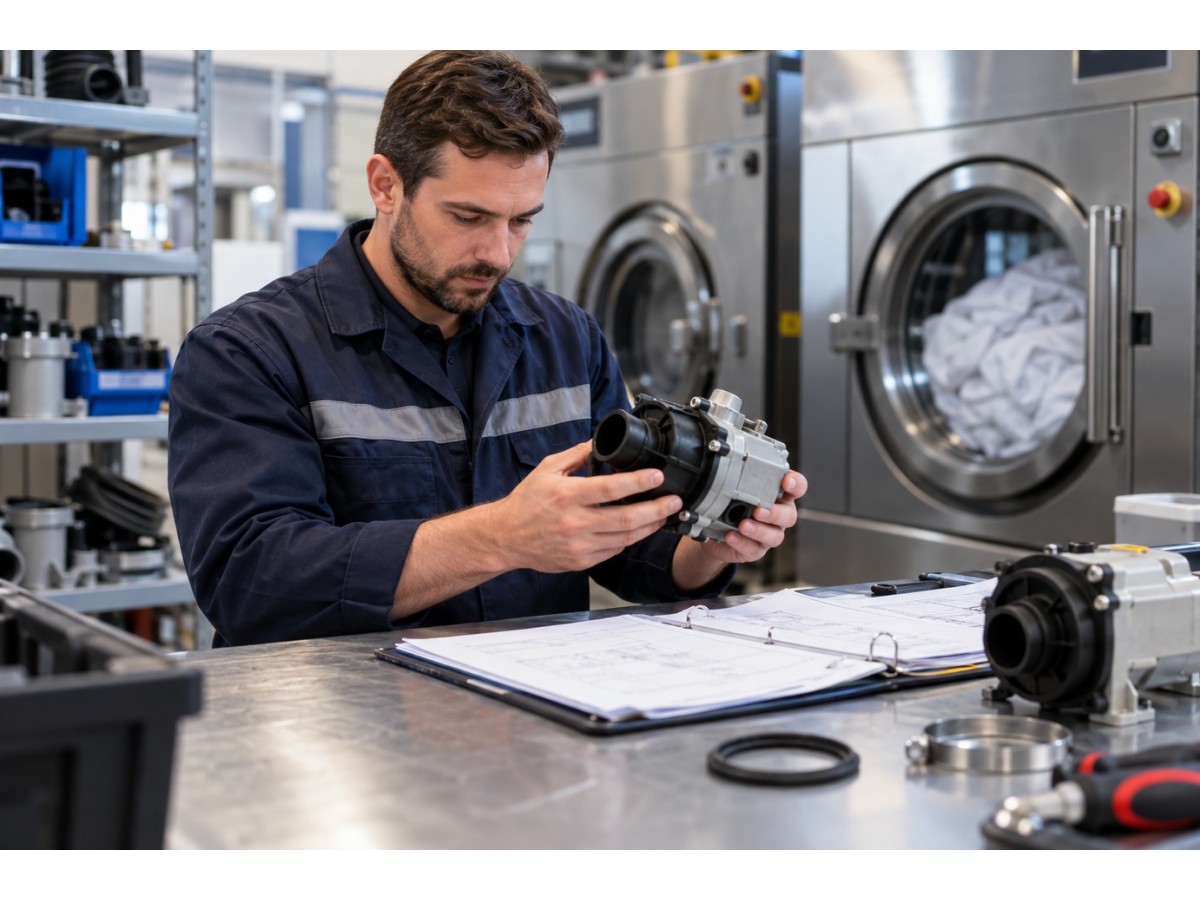
Laundry Equipment Support: Assess Spares and Response Times
When a commercial laundry buys an industrial washer, the purchase price is only one part of the decision. An unexpected stoppage can move work to other machines, delay deliveries and consume hours of supervisory time. Support conditions and spare-part procedures therefore deserve…
Read more